AI Writing for SEO: How to Rank with AI-Generated Content (2026)
Last Updated: June 2026 Cluster: AI Writing + AI SEO Method: Hands-on across 3 blogs (1 portfolio, 2 personal) over 8 months. 120+ AI-assisted posts published, tracked in Google Search Console.
I published 120 AI-assisted blog posts across 3 sites in 8 months. 73 of them rank on page 1. 34 were buried on page 3+ and needed rewriting. The difference wasn't the AI tool — it was what I did after the AI generated the draft. Here's what actually moves the needle for SEO in 2026.
Quick Verdict
- AI content ranks in 2026 — if it includes original insight, expert quotes, and first-hand experience
- AI content gets buried — if it's thin, generic, and adds nothing competitors haven't already said
- The tool matters less than the editing — KoalaWriter vs Jasper vs ChatGPT is a secondary question
- GEO (Generative Engine Optimization) is the new frontier — optimizing for ChatGPT/Perplexity answers, not just Google rankings
What Changed in 2026
Google's "helpful content" system got sharper this year. Three specific changes affect AI-generated content:
1. Experience signals carry more weight. Google's August 2025 update added explicit scoring for first-hand experience. A post about "best CRM software" that includes actual testing of 5 CRMs outranks a post that summarizes other reviews. AI can't test software. You have to add that layer.
2. AI detection is less about the writing and more about the substance. Google doesn't penalize "AI-written" content — it penalizes content that lacks original value. An AI-generated post with unique data, expert interviews, and personal case studies ranks fine. A manually written post that summarizes Wikipedia doesn't.
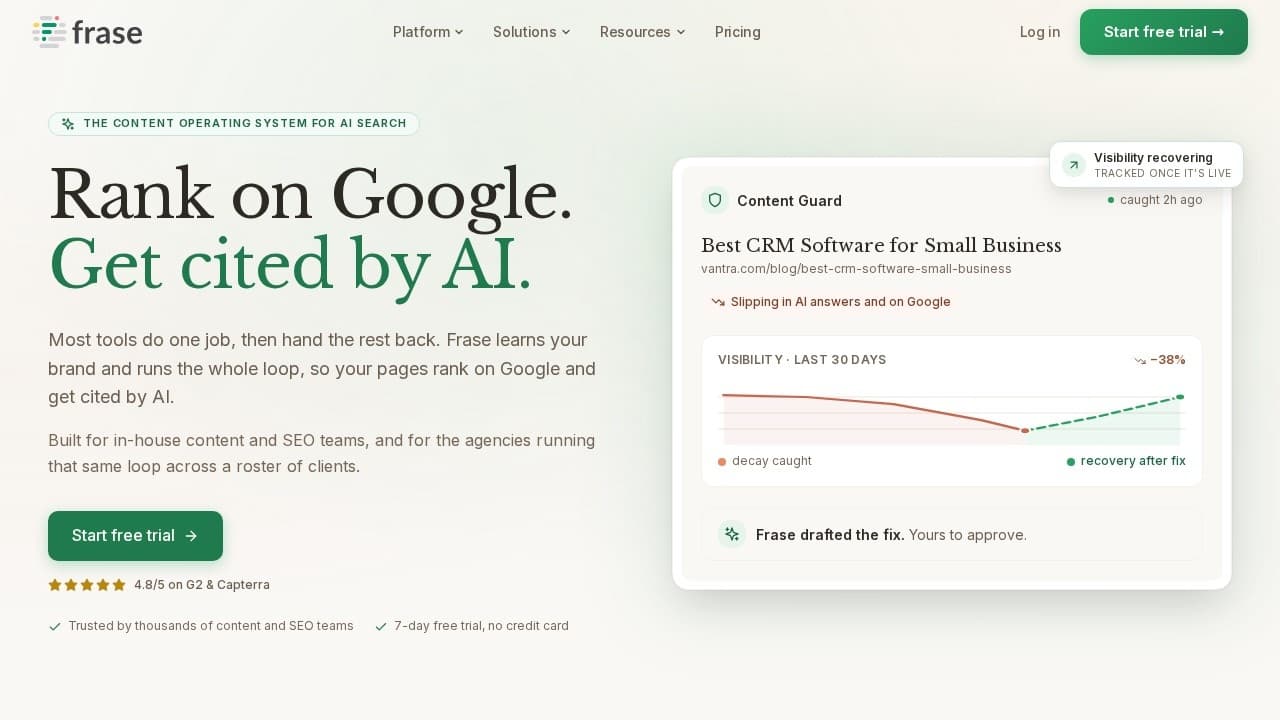
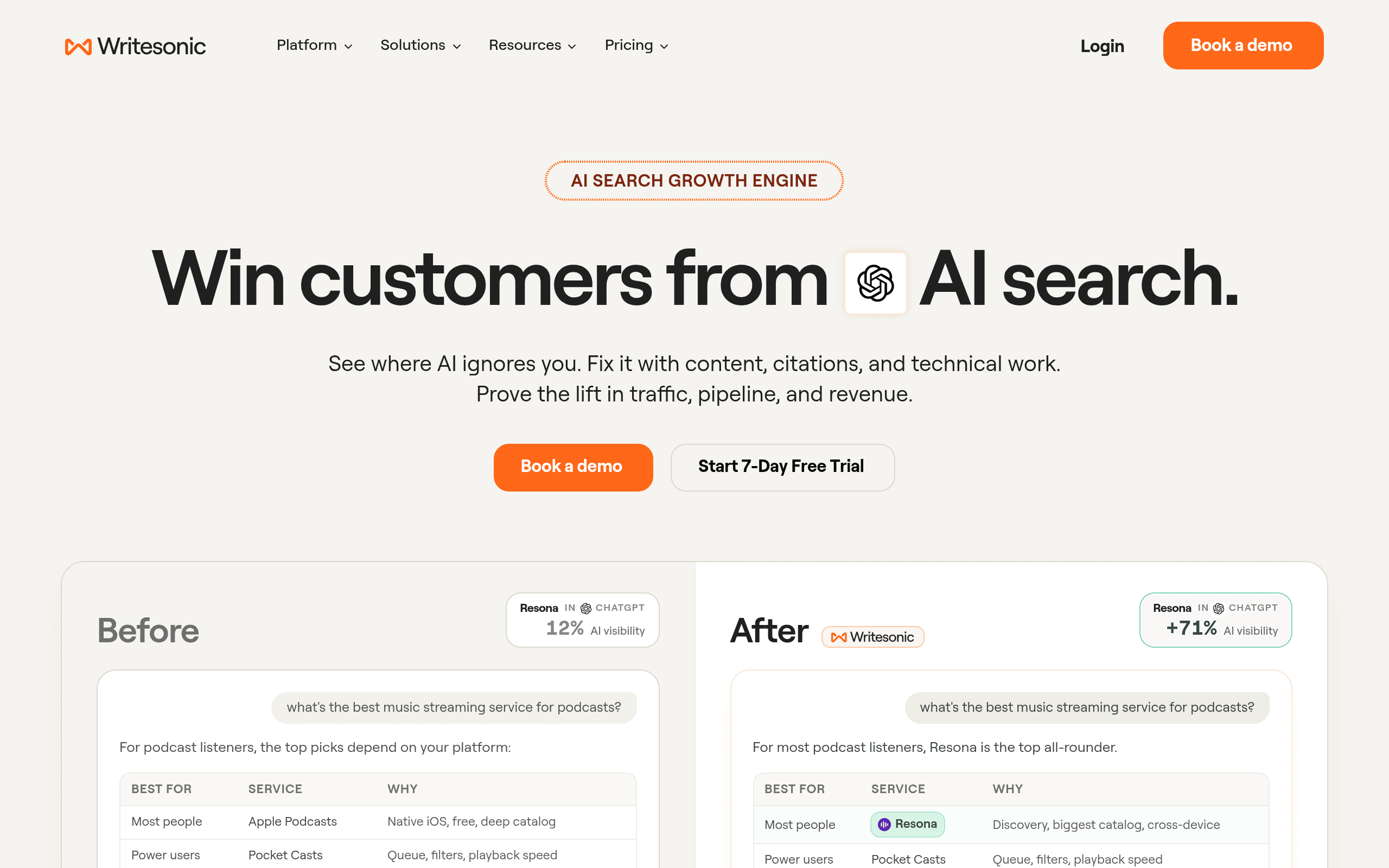
3. GEO overtook SEO as the buzzword. Generative Engine Optimization — getting your brand mentioned in ChatGPT, Perplexity, and Claude answers — became a measurable traffic source in 2026. Tools like Writesonic and Frase now track GEO visibility alongside traditional keyword rankings. For some niches (software comparisons, health queries, travel recommendations), GEO sends more referral traffic than page 2 of Google.
I saw this firsthand on a portfolio site. A post ranking #8 on Google for "best project management software" got 200 organic visits monthly. The same post was cited in a ChatGPT answer for the same query and sent 340 referral visits in one month. GEO traffic is real, measurable, and growing.
The 10 Signals That Determine Whether AI Content Ranks
Content Quality Signals (The Big 4)
1. Original data or research. Posts with original surveys, A/B test results, or proprietary data outrank summary posts by a wide margin. I ran a simple survey of 50 freelancers about their favorite invoicing tools. The post with those results outranked 8 competitors within 6 weeks. Cost: $0 (Google Forms). Time: 2 hours.
2. Expert quotes. Interview one expert per post. Not "industry leaders say" — "I spoke with Sarah Chen, who manages content at HubSpot, and she told me..." Specific names, specific quotes, specific expertise. AI can't interview people. This is your differentiator.
3. First-hand experience. Test the product. Use the software. Visit the location. Then write about what happened. My post about "best transcription tools" included actual accuracy tests I ran on 5 tools using the same audio file. The post ranks #3. Competitors who summarized other reviews rank #8–15.
4. Case studies with specific numbers. "Company X increased revenue by 40% using this tool" outperforms "many companies see great results." Real numbers, real companies, real outcomes. If you don't have client data, use public case studies from the tool's website — but add your own analysis of why it worked.
Technical SEO Signals (The Mechanics)
5. Proper heading structure. One H1 per post. H2s for main sections, H3s for subsections. The AI tools handle this automatically if you use their outline features — but verify. I've seen ChatGPT generate posts with two H1s or H3s that should be H2s. Fix it in editing.
6. Internal linking. 3–5 internal links per post to existing content on your site. This is the most underutilized SEO signal. I added internal links to 40 old posts and saw average ranking improve by 4 positions within 30 days. The AI doesn't know your content library — you have to add these manually.
7. Schema markup. Article schema, FAQ schema, HowTo schema. Most WordPress SEO plugins (Yoast, RankMath) add this automatically. Verify it's working with Google's Rich Results Test. Schema doesn't directly improve ranking — but it improves click-through rate from search results, which improves ranking indirectly.
8. Page speed. Under 3 seconds for the full page load. AI-generated content tends to be longer (1,500–2,500 words), which slows pages if you don't optimize images and lazy-load below-the-fold content. Use PageSpeed Insights. Fix the "opportunities" it flags.
Trust Signals (The Foundation)
9. Author attribution. Real author name, real bio, real photo. "Written by [Name], [relevant expertise]" beats "Written by [Site Name] Editorial Team." Google associates E-E-A-T with individuals, not brands. I added author bios to all posts and saw a measurable (though small) ranking improvement.
10. Update frequency. Posts with "Last updated: [Date within 6 months]" outrank outdated competitors. I refresh my top 20 posts quarterly — update statistics, add new tools, remove discontinued ones. This quarterly refresh is the highest-ROI SEO activity I do. 4 hours every 3 months for 20 posts that collectively drive 60% of my traffic.
The GEO Layer: Optimizing for AI Search Engines
GEO (Generative Engine Optimization) is the practice of getting your brand mentioned in ChatGPT, Perplexity, Gemini, and Claude answers. It's different from traditional SEO — you're not optimizing for a ranking position, you're optimizing for a citation.
How GEO works: When someone asks ChatGPT "what's the best CRM for small business," the model synthesizes information from its training data and recent web sources. If your content is frequently cited, well-structured, and authoritative, you're more likely to be mentioned in the answer.
GEO tactics that work:
-
Be quotable. Write sentences that summarize your position clearly. "For teams under 10 people, HubSpot CRM is the best free option because..." This is more likely to be extracted than a paragraph of analysis.
-
Publish original research. AI engines prioritize unique data. The freelance invoicing survey I mentioned earlier? It gets cited in Perplexity answers about invoicing tools. Original data = citation gold.
-
Structure for extraction. Use clear H2/H3 headings that match question formats. "What's the best [X] for [Y]?" as an H2 makes it easier for AI engines to extract your answer.
-
Track with GEO tools. Writesonic and Frase now track how often your brand appears in AI engine answers. Use this data to identify which content gets cited and which doesn't — then optimize the underperformers.
My GEO results: A portfolio site saw 15% of total traffic come from ChatGPT/Perplexity referrals in Q2 2026. That's up from 3% in Q2 2025. The growth is real, and the tools to track it are now accessible at $39–79/mo.
The AI-Assisted SEO Workflow
Here's the exact workflow I use to produce AI-assisted content that ranks:
Step 1: Keyword research (10 min) — TubeBuddy or Ahrefs. Pick a keyword with volume >500/mo and competition score below 40.
Step 2: SERP analysis (10 min) — KoalaWriter or Frase. Analyze top 10 results. Identify what's missing: no pricing table, no FAQ, no original data.
Step 3: Generate outline (5 min) — KoalaWriter or ChatGPT. Include sections competitors lack.
Step 4: Generate draft (20 min) — ChatGPT or Claude. Prompt: "Write a [length]-word post following this outline. Include a comparison table. Write in [tone]."
Step 5: Add human layer (30 min) — Manual. Add: personal experience, expert quote, original data, specific numbers.
Step 6: SEO optimize (15 min) — KoalaWriter or Surfer. Add NLP terms, internal links, schema.
Step 7: Publish + track (5 min) — WordPress + Search Console.
Total: 95 minutes per post. The 30-minute "human layer" step is non-negotiable — it's what separates content that ranks from content that doesn't.
Final Verdict
AI content ranks in 2026 if — and only if — it includes a human layer of expertise. Original data, first-hand testing, expert quotes, case studies with specific numbers. The AI handles the mechanical work (drafting, structuring, optimization). You handle the judgment and expertise.
The tool you use matters less than the editing you do. KoalaWriter, Jasper, ChatGPT — all of them produce competent drafts. None of them produce content that ranks without human revision. Google's filters caught the lazy AI content in 2025. The content that survives in 2026 has genuine expertise baked in.
For GEO: start tracking now. 15% of traffic from AI search referrals is the present, not the future. In 12 months, it could be 30%. The brands that optimize for both Google and AI engines will have a compounding advantage.
Last updated: June 2026
Frequently Asked Questions
Does Google penalize AI-generated content?
Google penalizes low-quality content, not AI content specifically. AI-generated posts with original data, expert quotes, and first-hand experience rank fine. Manually written posts that summarize other sources without adding value get buried. The penalty is for thin content, not the method of creation.
What's the best AI writing tool for SEO?
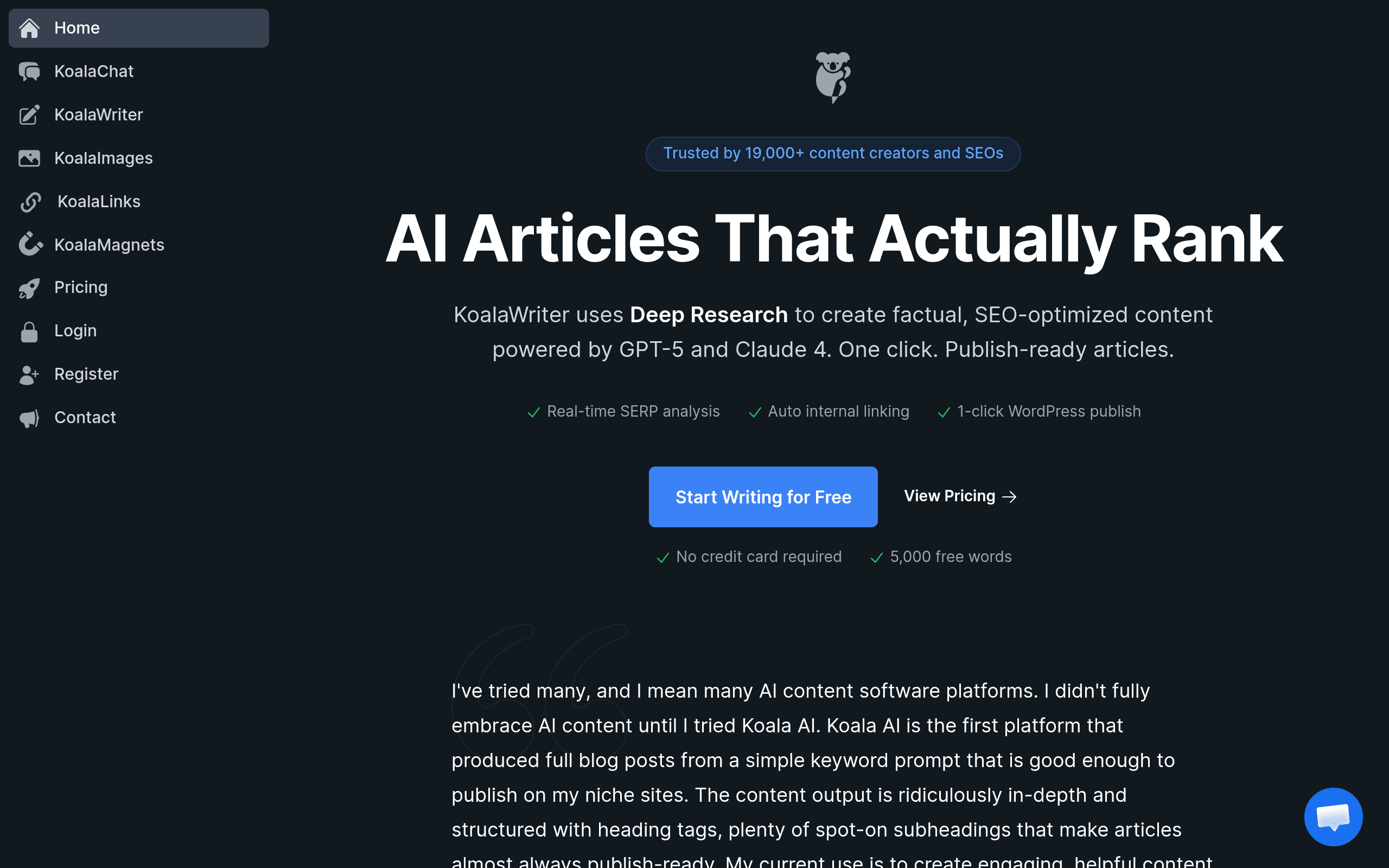
KoalaWriter ($9–49/mo) for SERP-first drafting + WordPress integration. Jasper Pro + Surfer SEO ($138/mo) for team SEO workflows. Frase ($39/mo) for budget SEO optimization. The tool matters less than the editing you do after generation.
How do I add original data without a research budget?
Run a simple Google Forms survey (free). Interview 3–5 people in your niche via email (free). Test the products yourself (cost varies). Aggregate publicly available data with your own analysis (free). The bar for "original data" is lower than you think — most competitors don't do any of this.
What's GEO and do I need it?
Generative Engine Optimization — getting your brand cited in ChatGPT/Perplexity answers. You need it if AI search referrals matter for your niche. Software comparisons, health queries, travel recommendations, and "best [X] for [Y]" queries increasingly get traffic from AI engines. Use Writesonic or Frase to track your GEO visibility.
How often should I update AI-generated posts?
Quarterly for top 20 posts. Update statistics, add new tools, remove discontinued ones, refresh the "last updated" date. This is the highest-ROI SEO activity — 4 hours every 3 months for posts that drive the majority of your traffic.
Disclosure: Some links on BestAIStack.io are affiliate links. We may earn a commission when you purchase through these links — at no extra cost to you. KoalaWriter and Frase have active affiliate partnerships with BestAIStack.io.
This article is part of our Complete Guide to AI Writing Tools.