Do AI Humanizers Actually Beat Detectors? The Documented Evidence (2026)
Last updated: October 27, 2026 | Method — read this first: this is not our own scan battery. We have not paid for or run these tools against detectors ourselves yet. What we did: compiled every documented outcome we could trace — vendor pass-rate claims, Trustpilot and G2 test reports dated through October 2026, refund disputes — and read them against each vendor's verified pricing (2026-10-26/27). Where a claim has no independent verification, it says so. That honesty is the whole point of this piece.
The question this article answers gets asked the wrong way usually. "Do AI humanizers work?" is a marketing question, and every humanizer's homepage answers it with a green checkmark. The operator's question is different: when a humanizer pass fails, how does it fail, and what does that cost you? The documented record has a lot to say about that — none of it appears on a pricing page.
Quick verdict: humanizer passes against GPTZero, Originality.AI, and their peers are real and reproducible on the day you run them — and they decay on a schedule you don't control, because both sides of this market are the same arms race. For publish-or-perish students, the documented failure modes (meaning drift, refund refusal, integrity findings) outweigh the pass rates. For working publishers, hand-editing beats all of these tools at the moment a client or editor is the one holding the detector.
The arms race, stated plainly
humanizers tune against specific detector models, detectors update to catch humanizer output, and the update cycle is the business model on both sides. Neither side advertises this.
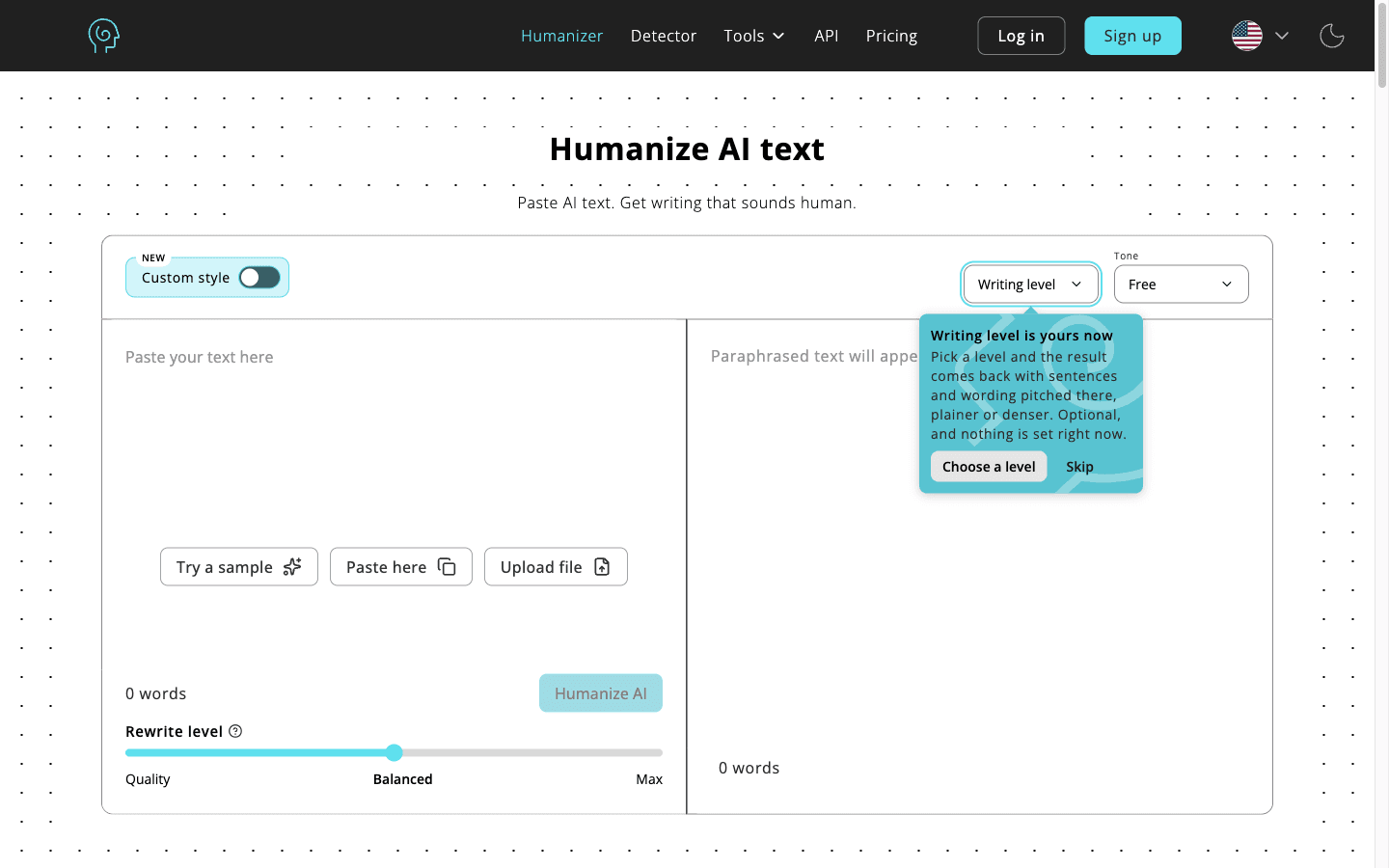
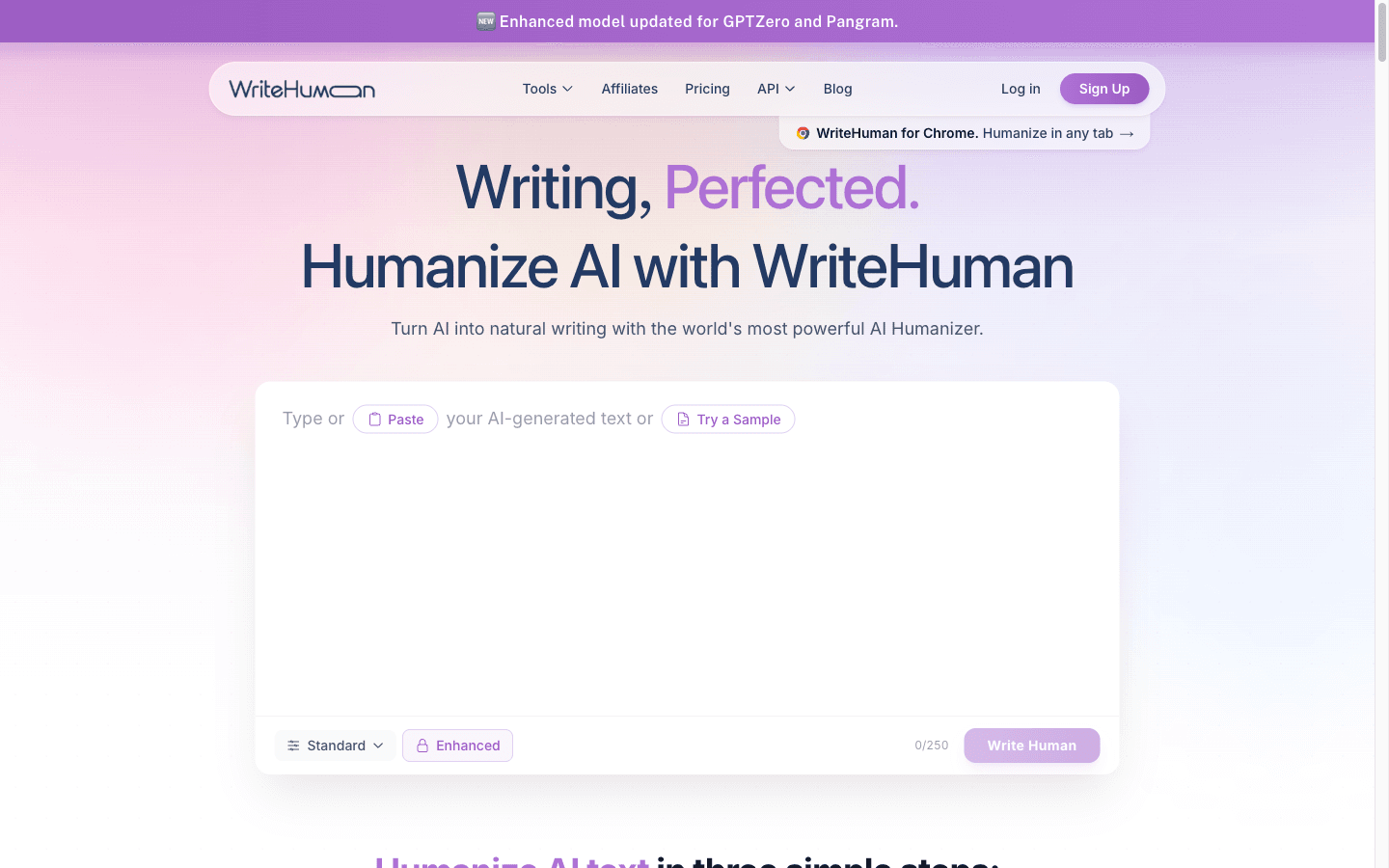
The clearest single artifact we found: WriteHuman's own site carries a banner advertising a model "updated for GPTZero and Pangram." Read that again. The humanizer's selling point is that it was re-tuned against the two detectors most likely to flag its output. That means a pass today is a statement about those model versions, not about text. When Pangram updates, the pass is void — and October 2026 Trustpilot reviews on WriteHuman already report exactly that: output still flagged as 100% AI by Pangram after humanizing.
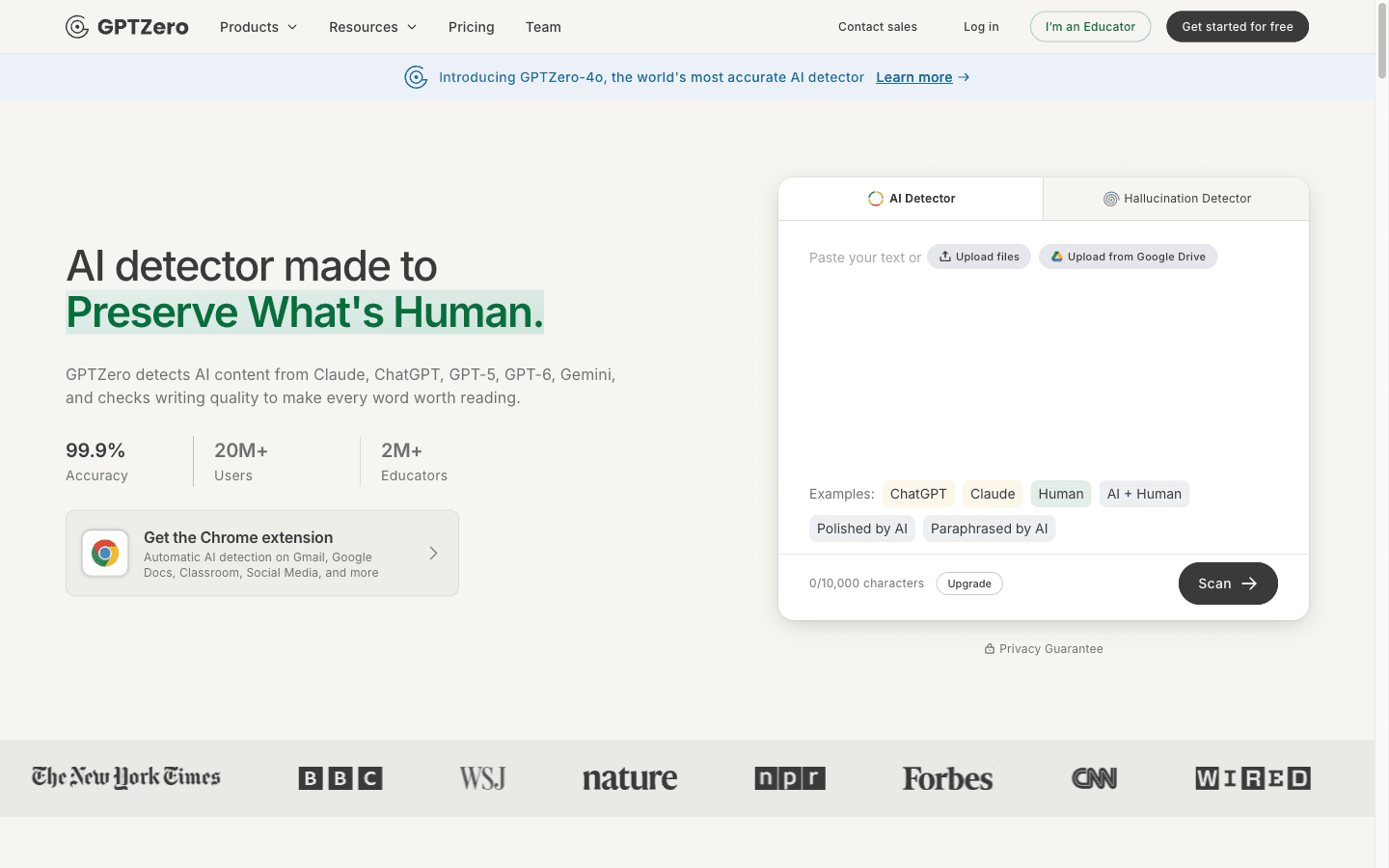
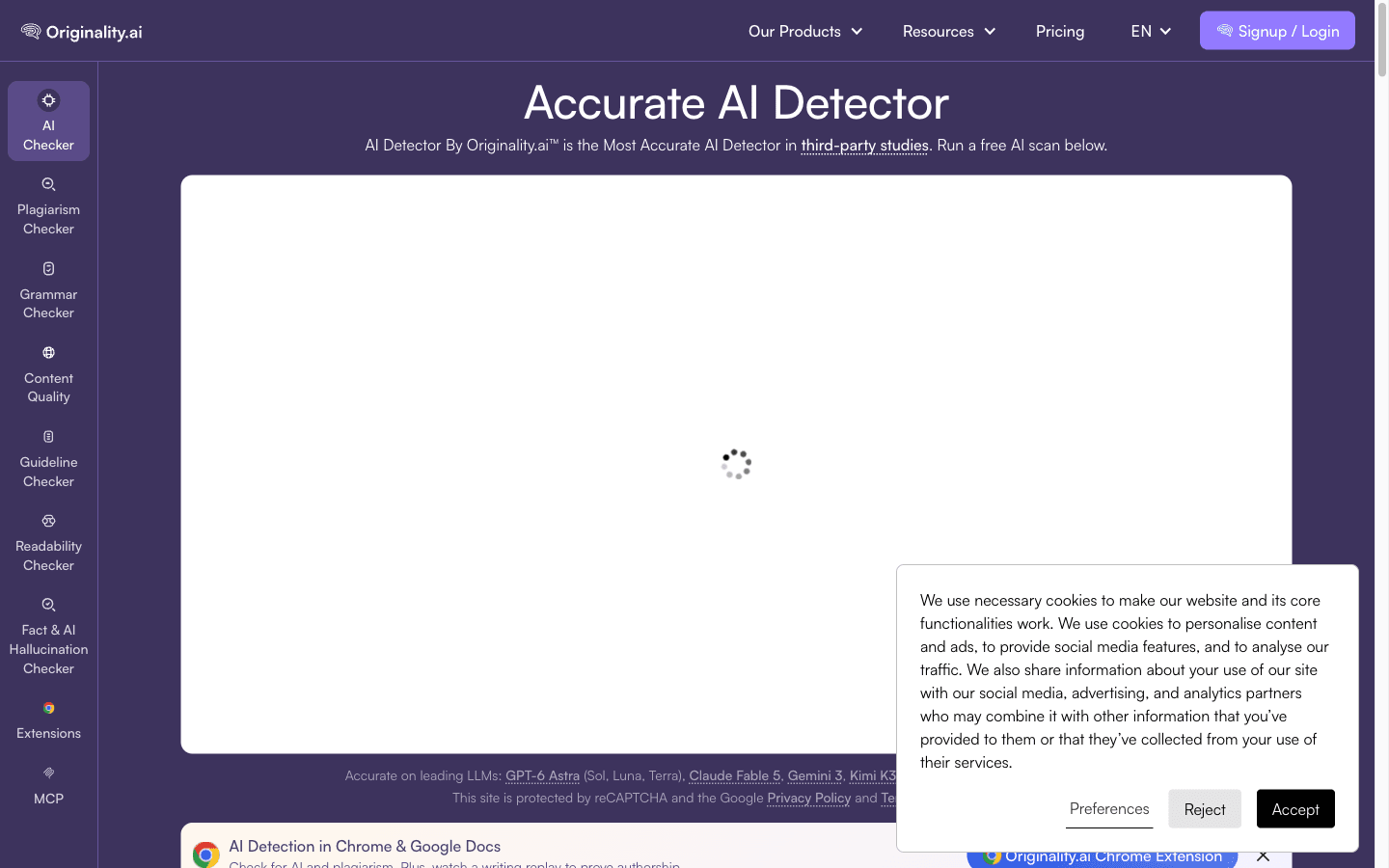
The detector side runs the same play. GPTZero's homepage banner hypes "GPTZero-4o, the world's most accurate AI detector" — a versioned model, updated like software. Originality.AI shipped its 5.0 model in October 2026 and immediately drew accuracy complaints from users whose workflows were tuned to 4.x, with legacy models removed and no refunds offered. Even the detectors' customers get broken by updates.
Humanize AI's Trustpilot replies (the company answers 100% of negative reviews, unusually) state the mechanics better than any critic: when detectors update, previously humanized text re-scores as AI again. The company's own support channel, in other words, confirms that a humanizer pass has a shelf life.
One line worth stealing for your notes: a humanizer pass isn't a property of your text — it's a lease on the current detector model, and either party can end it.
Tool by tool: what the record shows
WriteHuman has the strongest fix-loop and the freshest evasion complaints; GPTHuman is cheap with a documented failed-pass report and a refund dispute; Humanize AI is the budget floor with honest support; EssayDone has big claims, two reviews, and a meaning-drift report.
WriteHuman — the premium loop, decay included
The product design acknowledges reality: a built-in per-sentence detector scores your text, so you re-run only the flagged lines, and every request returns 2–5 variations to choose from. That's the right architecture for a decaying game — you're not re-processing whole documents. Free tier: 3 requests/month, no card. Paid from $12/mo annual (Basic, 80 requests, 600 words each); unlimited only on Ultra at $39/mo annual.
The documented negatives, all from October 2026 unless noted: Pangram flagging humanized output as 100% AI; refund requests denied within 24 hours of purchase; replies to only 20% of negative Trustpilot reviews; no G2 presence at all. None of these disprove the core loop. All of them describe what happens when the loop needs to work and the vendor doesn't.
GPTHuman — the budget loop, with one report that matters
$8.25/mo annual for 25,000 words with a detector-and-rewriter loop in one window — run the check, re-humanize, repeat until clean. API access at this price is unusual. Output caps are 1,000 words per run on Starter, so long documents get sliced.
The Trustpilot record is thin (3.9/5, 16 reviews, no vendor replies) but contains the single most useful data point in this entire piece: one reviewer reports their humanized output still scored 99% AI on a free detector — and was refused a refund on an unused 12-month subscription. Two failures in one story: the product failed and the exit failed. If you try GPTHuman, the monthly-inferred lesson from that report is not to prepay a year, whatever the per-month discount says.
Humanize AI — cheapest, and the most honest support
$4.99/mo annual for 10,000 humanizer words, unlimited grammar and plagiarism checks included. Standard ($9.99/mo) adds unlimited re-humanizing — which matters, because Lite cannot re-process its own output, so a weak first pass strands you until you upgrade.
Two things elevate it above its price. First, the support posture: replies to 100% of negative Trustpilot reviews within about a week, with documented refund resolutions — rare in this niche. Second, the candor problem their replies expose: the marketing line "We bypass ALL detectors" is qualified in the company's own replies, which note that detector updates re-score previously humanized text. The sales page and the support desk are describing different products. Believe the support desk.
EssayDone AI — the claims outlier
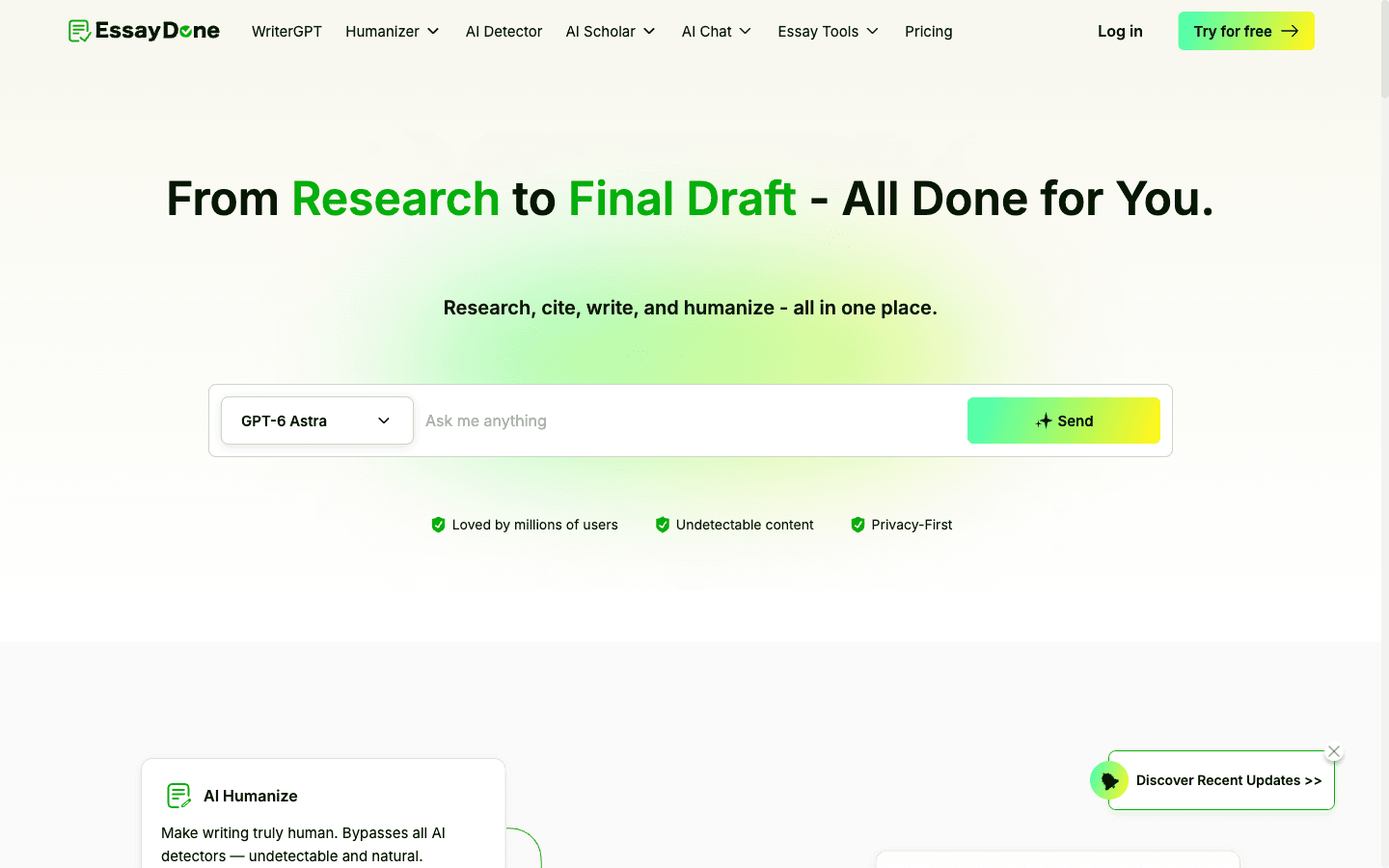
The vendor states a rewrite passes Turnitin, GPTZero, and Originality "around 90%" after one run and "up to 99%" after 1–2 more. No independent verification exists. The review base is two Trustpilot reviews, both one-star (2.9/5), including a report that rewrites changed the meaning of the text — for academic work, that's worse than a detected pass. The 400,000-word Ultra tier is real capacity for the price ($39/mo), but capacity isn't accuracy, and the flash-sale countdown running against struck-through list prices tells you how this vendor negotiates.
We list EssayDone because students find it first. We rank it last because a tool whose failure mode is silent meaning corruption in academic submissions is the one failure mode in this piece with consequences beyond money.
What neither side's marketing survives contact with
the documented failure modes cluster into four — model-update decay, meaning drift, refund walls, and false confidence on short text.
Model-update decay is the structural one, covered above. Practical protocol: re-run the detector check the day your text ships, not the day you humanized it.
Meaning drift shows up in EssayDone's review record (rewrites that changed meaning) and in any humanizer run at aggressive settings. Humanize AI's style/level/tone controls exist because aggressive rewriting is where detectors get beaten and where text gets damaged. If you humanize, diff the output against the input — every time. Ten minutes of reading beats a surprised client.
Refund walls are the commercial trap: WriteHuman denying refunds within 24 hours, GPTHuman refusing an unused 12-month subscription. Both vendors price annual billing as the default. The asymmetry — they can void your pass with a model update, you can't void your prepayment — should set your purchase policy: monthly billing until the tool has survived one detector update cycle in your workflow.
Short-text fragility comes from the detector side: Originality.AI's own FAQ states a 100-word minimum per scan and warns shorter text impacts accuracy; G2 reviewers describe short paragraphs scoring as AI. Humanizer passes on paragraphs are the least trustworthy claims in the entire market.
The protocol we'd actually run
buy monthly, test on your own worst-case text, keep receipts, re-check before deadlines, and never humanize text whose provenance matters more than its pass rate.
- Start free. WriteHuman's 3 requests/month and GPTHuman's 300-word trial cost nothing and reveal output quality on your material, not a demo paragraph.
- Test your worst case, not the demo. Run your densest, most technical AI draft — the one that must pass — through the free tier first. Humanizers that shine on blog prose can mangle footnoted technical text.
- Diff everything. Meaning drift is documented. Read the output against the input before you accept any pass.
- Record the detector versions. Screenshot the detector result with its date. When a client says "this flags as AI," you need to know which model said so and when.
- Re-check at ship time. Detector updates re-score old text (Humanize AI's own support confirms it). A pass from Tuesday doesn't cover Friday.
- Keep the human pass. For anything a client, editor, or institution will judge, the last 10% of editing done by an actual person beats every tool in this article — because it doesn't decay.
Where this stack fits in a full publishing workflow — detection before fixes, tracking after publish — we lay out in the AI SEO tools guide.
Final verdict
The documented record supports a narrow claim: humanizers beat current detector models often enough to be worth $5–12/mo if your use case tolerates silent failure. It does not support the strong claim on anyone's homepage — "bypass ALL detectors," "up to 99% pass rate" — and the refund disputes on record mean you should assume any annual prepayment is a donation.
My own call, for what I'd deploy: WriteHuman monthly for a working publisher's fix-loop, Humanize AI for light-touch budgets, nothing annual in the first quarter, and no humanizer anywhere near graded academic work. The detectors aren't the infallible party here either — GPTZero's ESL false-positive record is documented — but in a fight between two tools that both update under you, the only durable position is a human editor at the end of the pipeline.
Last updated: October 27, 2026. All test reports cited are dated user/vendor statements through October 2026; we will replace this compiled evidence with our own scan battery when run, and update this page.
FAQ
Do AI humanizers actually work against GPTZero?
Documented cases show passes on the day of processing — that's what the tools are tuned for. The same record shows passes expiring when detector models update: Humanize AI's own Trustpilot replies confirm previously humanized text re-scores as AI after updates, and WriteHuman's site advertises a model "updated for GPTZero," confirming the arms race. So: yes today, unknowable next month.
Can GPTZero detect humanized AI text?
Sometimes. GPTZero's model updates are specifically versioned against current humanizers (the humanizers say so themselves in their marketing). There's no published independent benchmark settling the current exchange rate — what exists is user reports on both sides, including a documented GPTHuman complaint where humanized text still scored 99% AI. Treat every individual pass as unverified until you've run it through the live detector yourself.
Is using an AI humanizer against the rules?
Depends entirely on context — and the stakes are asymmetric. For your own blog content, it's a quality decision, not an integrity one. For academic submissions, humanizing AI text to evade detection is academic misconduct regardless of whether any detector catches it; EssayDone's product is built around that exact use, which is why we rank it last. For client work, disclosure beats detection.
Which humanizer has the best documented track record?
None has an independently verified one — that's the honest headline. Within the documented record: WriteHuman has the most complete product (per-sentence detection, output variations) and the freshest evasion complaints; Humanize AI has the most accountable support (100% negative-review reply rate); GPTHuman has a documented failed-pass-plus-refund-refusal report; EssayDone has a meaning-drift report and two total reviews. Pick your risk accordingly.
Why did my humanized text get flagged after passing before?
Because detector models update and re-score the world. A humanizer pass reflects the detector model versions live when you ran it. Originality.AI's October 2026 5.0 update and GPTZero's versioned releases both change outcomes retroactively for previously processed text — Humanize AI's support confirms this behavior on the record. Re-check any text that matters on its ship date.
Disclosure: This page contains affiliate links for several tools discussed. WriteHuman, GPTHuman, Humanize AI, EssayDone AI, Originality.AI, and Winston AI have active affiliate programs. We also recommend tools with no affiliate program when they're the best fit. Pricing verified from vendor pages 2026-10-26/27; all third-party test reports are cited as dated statements and have not been independently reproduced by us.