Best AI Video Tools 2026: 10 Tools Compared by Job and Price
Last Updated: October 27, 2026 Method: Research-only. Every price below was verified against vendor pricing pages on October 26–27, 2026, including both billing toggles wherever the vendor showed them. We have not produced client campaigns with these tools; output judgments come from the documented record — vendor specs, Trustpilot, G2 — not from our own renders. Commission figures in the disclosure come from affiliate signup pages we pulled the same week.
"Best AI video tool" is a question that hides a second question, because the category sold as one thing is actually four jobs wearing one label. Generating a marketing video from a product link is not clipping a podcast into TikToks, is not captioning footage you already shot, is not a digital human reading your script. Tools that share a category page share almost nothing else — and their prices meter completely different units: videos, clips, minutes, coins, credits.
So this guide is sorted by job, not by rank. All ten tools below have full review pages on BestAIStack with the pricing verified October 2026; this is the map of which one to open first, what the sticker doesn't say, and where each one breaks.
Quick answer: for text-to-video marketing content, Zebracat ($23/mo billed yearly) is the working default. If you already own long footage, Klap ($14/mo yearly) clips it into shorts and Revid ($32/mo yearly) adds a write-render-publish loop for faceless channels. For captions, Submagic ($12/mo yearly) is the editing suite and Zeemo ($8/mo yearly) is the price floor. For avatar and UGC ad volume, KreadoAI ($19–40/mo) does URL-to-video, Akool does face swap and localization — with a commercial-license trap worth reading before you spend anything — and Elai owns the training-video corner. 1of10 finds the outlier to chase; ImagineArt is the multi-model switcher behind them.
One line worth keeping: in 2026, every AI video tool sells you a meter — the real comparison is which unit it counts, because that unit decides what a do-over costs.
How the "AI video" market actually splits
there are four jobs, and the tool you need depends entirely on which one is yours — generate (no footage exists yet), clip (footage exists, cut it down), caption (footage exists, dress it), or avatar (a synthetic person delivers the line). Buying across job lines is the most common way to waste money in this category, because the tools look interchangeable in demos and are not.
- Generate — text/script/URL in, a video out of stock footage, generative scenes, or both: Zebracat, Revid's full mode, ImagineArt.
- Clip — one long video in, many vertical shorts out, reframed and captioned: Klap, Revid's clip mode, Makereels.
- Caption and edit — your footage, made watchable: subtitles, emojis, b-roll, hooks: Submagic, Zeemo.
- Avatar and UGC ads — a synthetic presenter, or your own face swapped and localized: KreadoAI, Akool, Elai.
Two tools sit beside the jobs rather than inside them: 1of10 (outlier research — what to make before you make it) and ImagineArt (a switcher that rents you many video models under one credit balance).
Best AI video generators for marketing teams
Zebracat for social-first marketing video, KreadoAI for ad creative at volume from product links, Elai if the "team" is L&D and the video is a course. They start at $23, $19, and $23 respectively (all yearly billing).
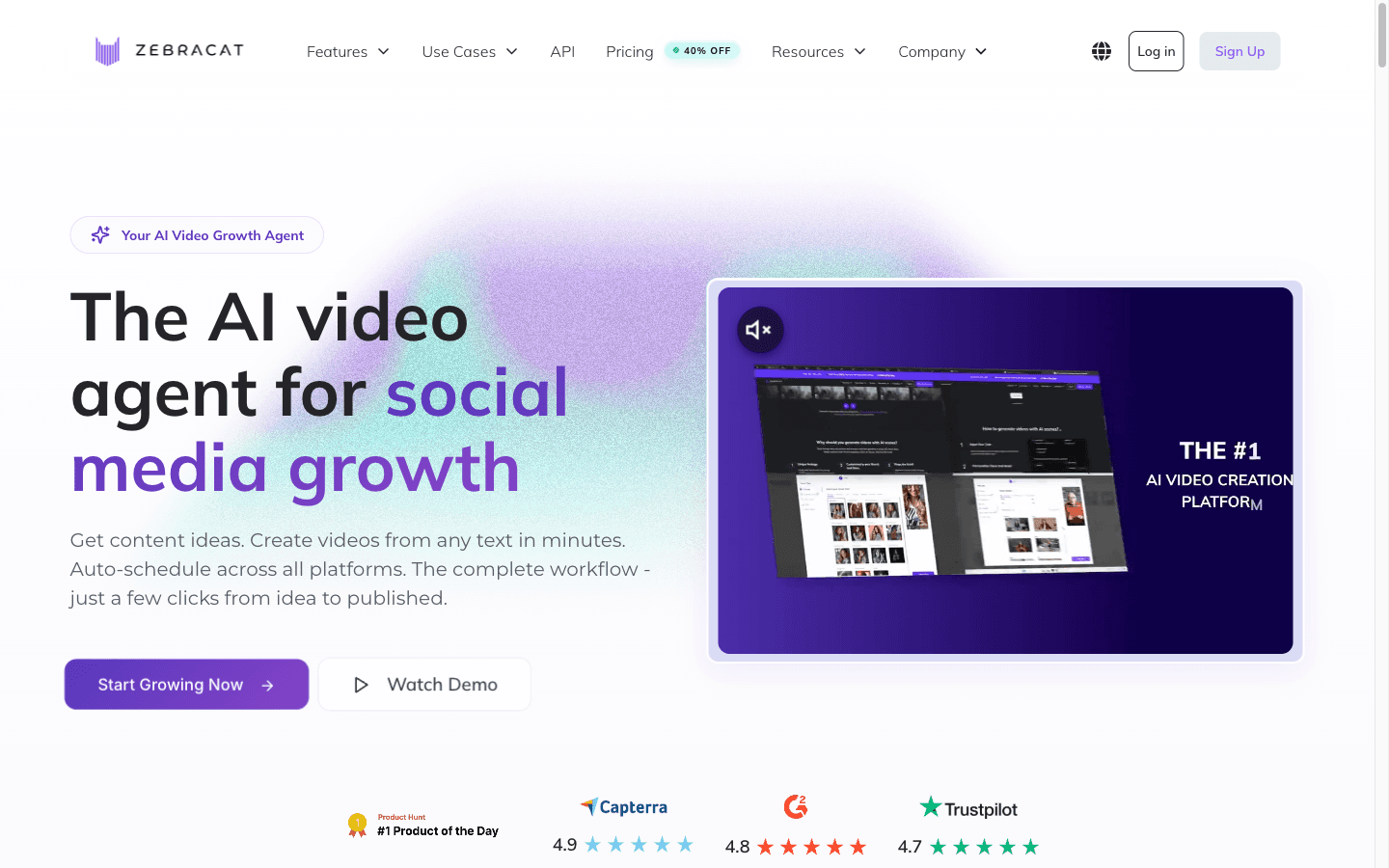
Zebracat turns text, scripts, or blog URLs into scheduled social videos — the closest thing here to a hands-off marketing video intern. Cat Mode runs $39/mo on monthly billing or $23 on yearly for 15 videos and 350 generative credits; Super Cat is $99/$59 for 40 videos; the "Unlimited" tier at $199/$119 still caps generative AI credits at 3,600/month. On yearly billing a video costs about $1.50, which is genuinely good for faceless social content. The catch: "Unlimited" is a credits ceiling wearing a crown — heavy AI-scene use hits the credit wall long before the video count does, and the refund policy is restrictive enough that it deserves a read before an annual swipe.
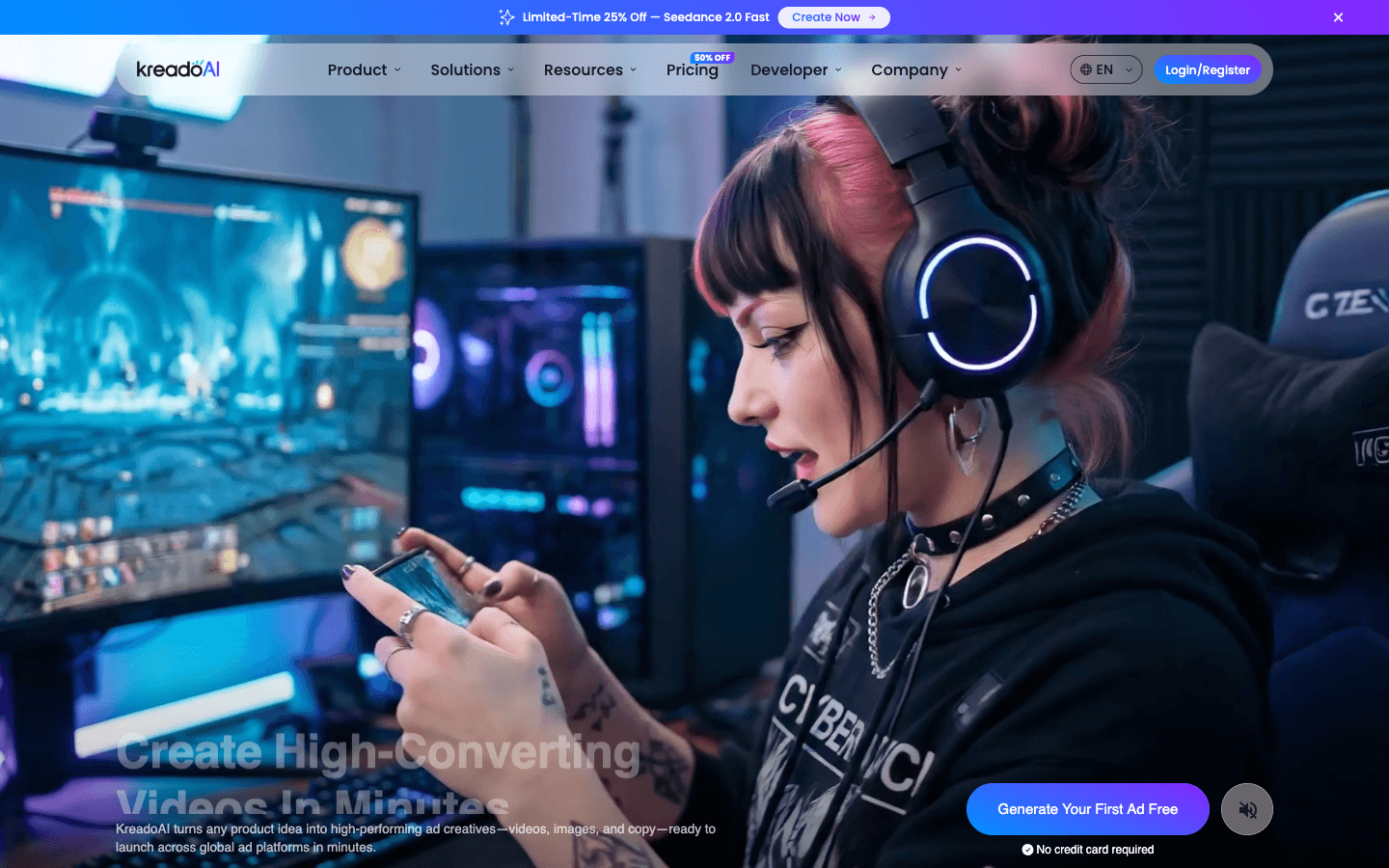
KreadoAI is the ad-creative machine: paste a product URL, get publish-ready video, batch TikTok output, 1,000+ avatars and 40,000+ voices in 140 languages. Premium is $19/mo (against a struck-through $24) for roughly 30 minutes of finished video; Pro is $40/mo for ~50 minutes plus unlimited TikTok-style product video and unlimited translation. The catch is the unit mismatch: everything meters in K-Coins, and 30–50 minutes a month is small once media-buying cadence starts — dozens of creative variants per week is normal, and do-overs burn the same coins. Social proof is also thin (G2's 4.7/5 comes from five reviews). Head-to-head: Akool vs KreadoAI.
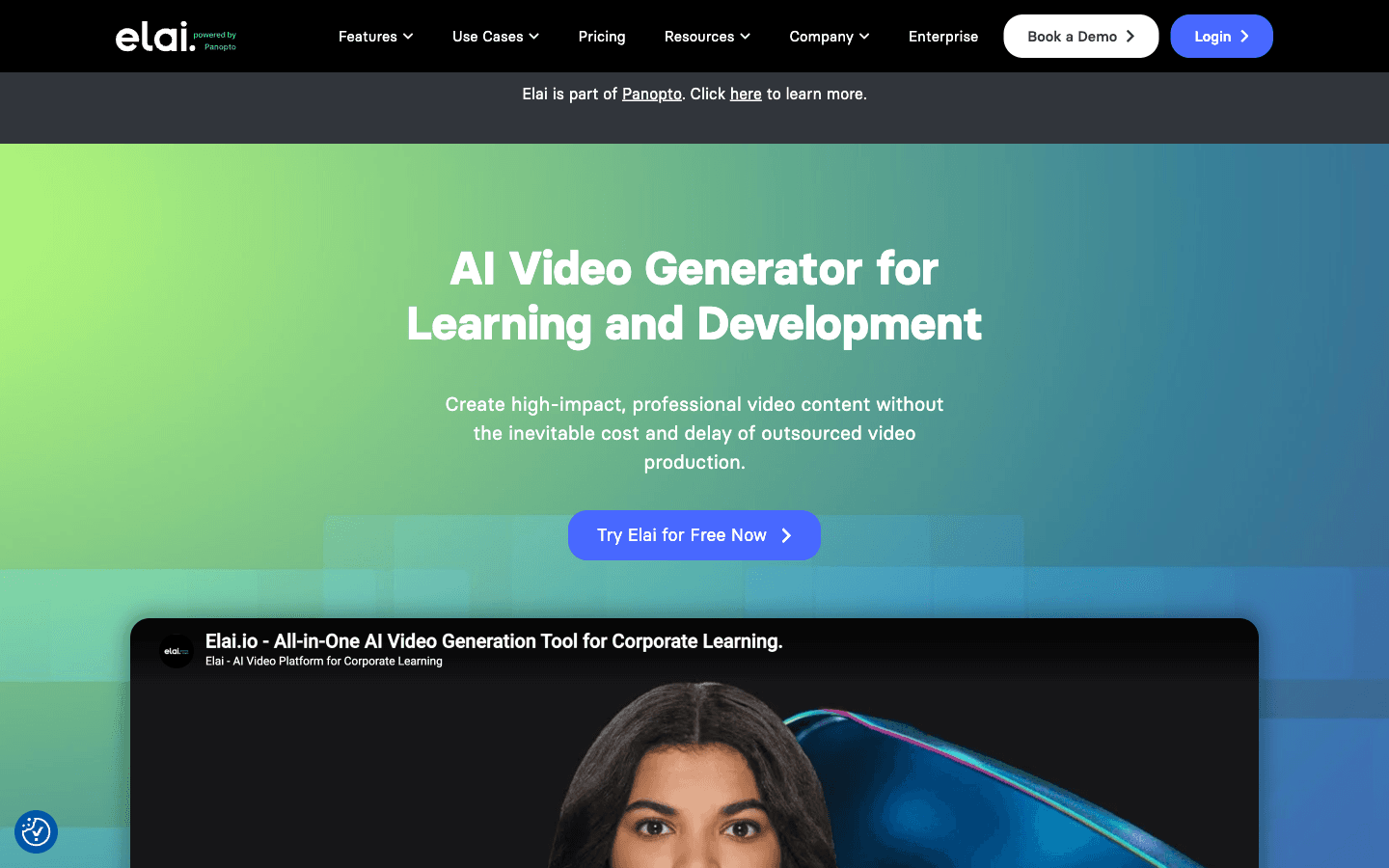
Elai — training video, not marketing. AI storyboard, PPTX/PDF/URL-to-video, scenario dialogs with quizzes, SCORM export for the LMS. Creator is $23/mo annual for 15 minutes; Team is $100/mo annual for 50 minutes, 4K, API, and three editors. The catch: the minute meter runs on every render click — Elai's own FAQ confirms re-rendering a fixed comma charges again — so iteration-heavy course production pays a tax that marketing teams wouldn't. Per-minute cost also rises as you upgrade on monthly billing ($1.93 → $2.50). Full persona split: Elai vs KreadoAI.
Long video into shorts: the clipping layer
if your footage is talking heads — podcasts, webinars, interviews — Klap extracts the clips; if you want the machine to also script, render, and auto-publish net-new faceless videos, Revid is the bigger, riskier machine. Makereels is the budget autopilot.
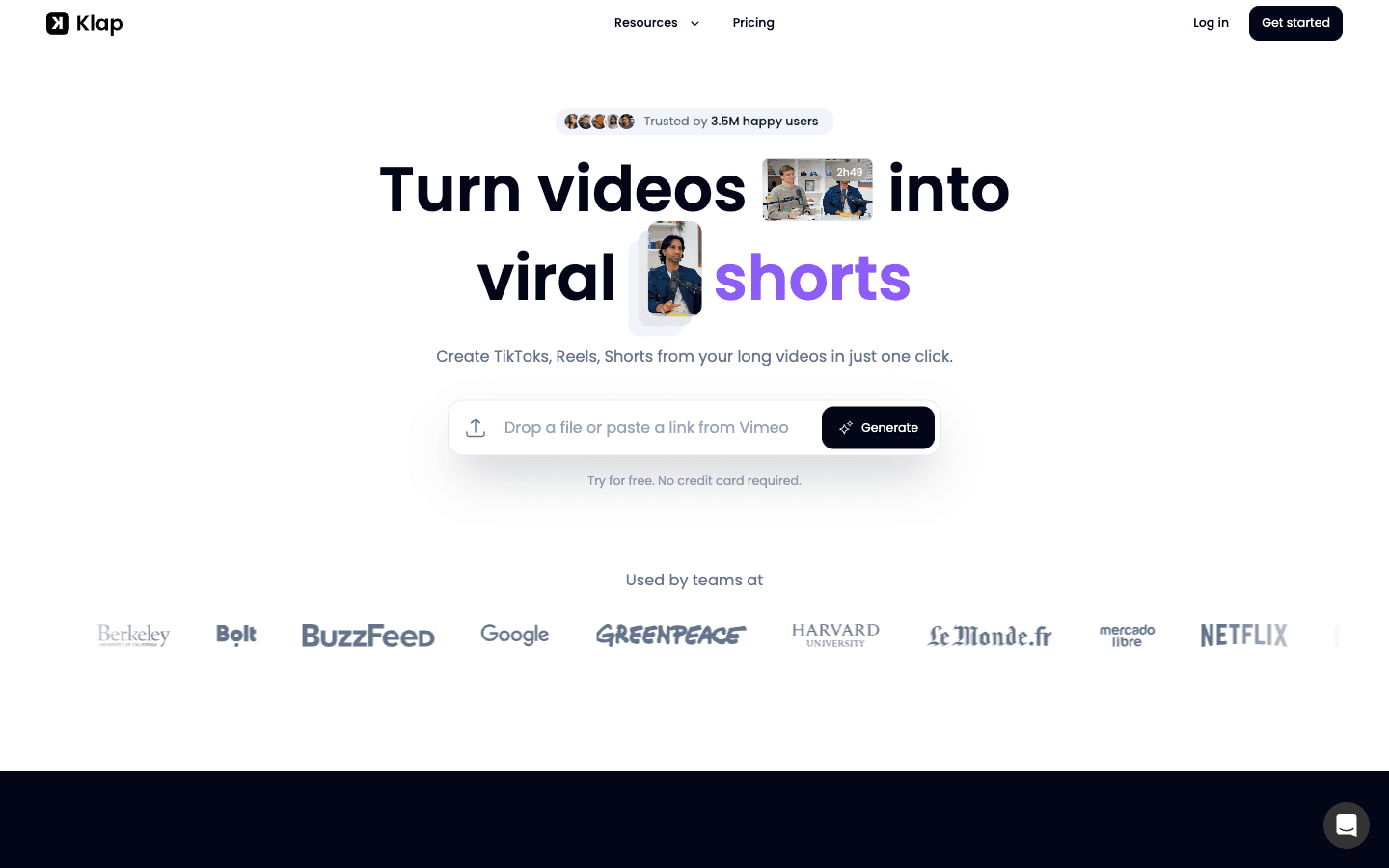
Klap does one upload → captioned, reframed vertical clips, with native scheduling to TikTok, YouTube, Instagram, and LinkedIn. Basic is $14/mo billed yearly ($29 monthly) for 100 clips, which by Klap's own five-clips-per-minute rule is about 20 minutes of source video; Pro is $39/$79 for 300 clips and 4K, with a 2-hour source cap. The catches stack: the quota counts generations, not keepers — a minute of mediocre source produces five clips you won't post, all charged. The checkout leans yearly hard enough that 2026 Trustpilot threads describe full-year charges ($800) landing on people who expected monthly. And Basic caps source videos at 45 minutes, which quietly pushes most podcasters to Pro.
Revid is the opposite bet: don't bring footage at all. It writes scripts from trending structures, renders with AI models (Seedance 2.5 up to 4K), and publishes on a schedule through "Auto-Mode workers" — 3 workers on Growth, 10 on Ultra — while watching competitor channels for you. Growth is $39/mo monthly, $32 yearly, with 2,000 AI credits; a 30-second video costs roughly 40–80 credits, so call it 25–50 finished videos a month. The catch is the do-over tax: output that misses the mark eats credits on every regeneration, and Trustpilot's 3.9/5 (304 reviews, 26% one-star) circles exactly that wound. This is the tool with the widest gap between its ceiling and its floor — the autopilot either compounds or burns. Head-to-head with numbers: Klap vs Revid.
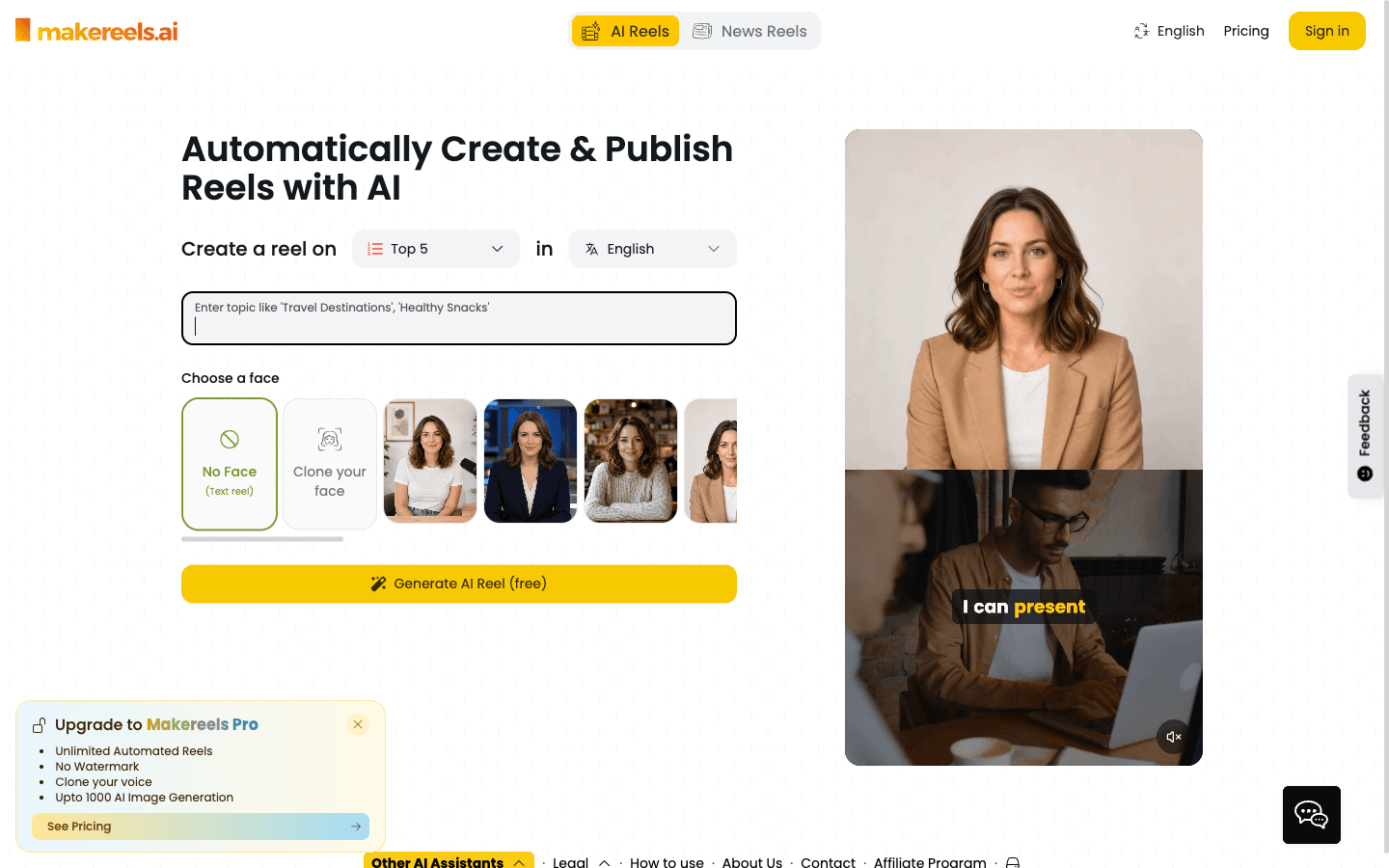
Makereels is the cheap autopilot: Creator $14/mo for 10 faceless reels and 1 workflow, Automated Reels $24/mo for 30 reels and 7 workflows, $39 for 60 and 20. The catch is not capability — it's trust. Trustpilot shows 3.0 from exactly three reviews, two of them one-star, including an allegation of stolen card details; every pricing card wears a crossed-out anchor (~$49/$99/$149) while third-party directories quote "from $49/mo" as the real rate. Treat it as a month-to-month experiment, never an annual.
Captions and subtitles: the cheapest upgrade in video
Submagic if you want an editing suite — captions, b-roll, zooms, sound effects in one pass; Zeemo if you want captions and translation at the lowest verified price in the category. Head-to-head: Submagic vs Zeemo.
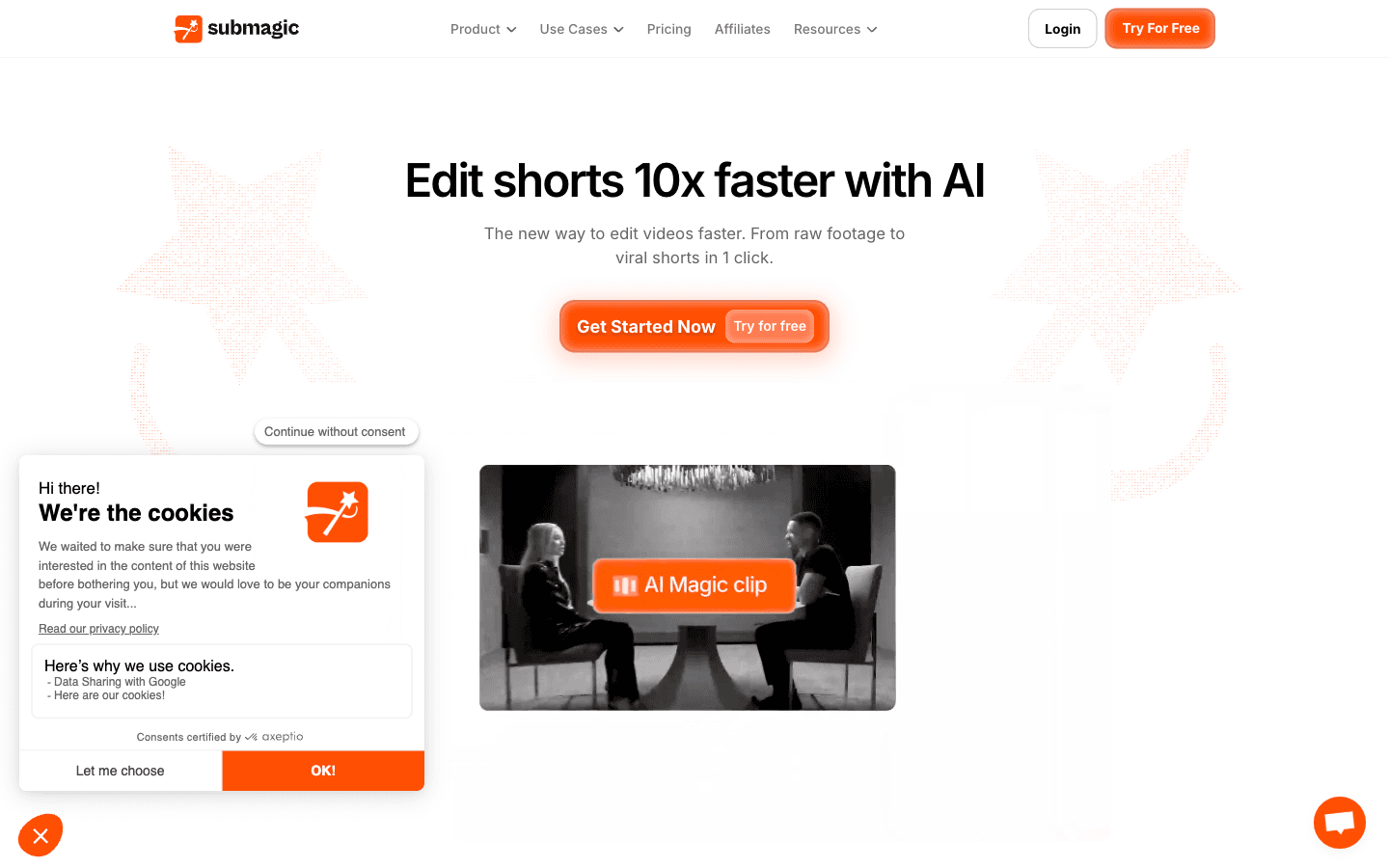
Submagic is a caption engine with an editor attached — auto captions in 123 languages (vendor claim), emoji, b-roll, transitions. Starter is $12/mo yearly ($19 monthly) for 15 videos, each capped at 2 minutes; Pro is $23/$39 for 40 videos at 5 minutes; Business is $41/$69 for 100 at 30 minutes. The catch is the math underneath: 15 videos a month is roughly three a week, and a 2-minute cap quietly excludes podcast segments — the moment your clips run long or your cadence is daily, Starter breaks and the real price is Pro. Terms also auto-renew with no refund for any period already started; the 1-star slice on Trustpilot is mostly billing.
Zeemo is the price floor: Pro at $8/mo billed yearly ($96/year, against $9.99 monthly) covers about 60 hours of captioned video a year, watermark-free, in 95 input languages with translation into 124+, SRT export included — and even the free tier exports without a stamp. The catch: Zeemo's 2026 site wants to be an AI studio, and the video models, image models, music, and social scheduling all share one credit pool with captions, so the $96 caption bargain and the expensive generation experiments live in the same wallet. The free plan even disagrees with itself about its own credits (10 on the card, 120 in the compare table).
If your question is languages: both handle the major ones; Zeemo's 95-in/124-out matrix and $96/year makes it the default for Vietnamese, Spanish, and other non-English caption work at volume, and Submagic's 123-language caption claim covers the same ground inside a pricier editor.
The free tier question: what "free" actually gets you
almost none of the "best free AI video generator" searches end at a free plan that produces anything finished. The honest free tiers in this field are trial benches — real, useful for judging quality, and measured in minutes, not months.
- KreadoAI Free — 180 K-Coins once, on signup: about 3 minutes of video, ever. The best actual test bench for avatar video.
- Zeemo Free — 120 credits/year (or 10, the page says both): enough to caption a few short videos at 1 minute each and judge accuracy.
- ImagineArt Free — 100 credits/day, base models only, no video. A decent daily image bench.
- 1of10 Free — 60 credits/month, capped at 5 search results: enough to see whether outlier research clicks for you.
- Makereels Free — $0 with no card, but zero face reels — it's a UI tour.
- Klap, Submagic, Revid — no free plan; trial-gated before any output. "Try for free" means try the interface.
The reason is structural, not stingy: generation costs these companies real GPU money per render, so a genuinely free tier is a leak. When a tool advertises free video, read what the quota unit is before you plan a content calendar around it — the KreadoAI 3-minutes-forever pattern is the honest version, and it's still tiny.
Outlier research and the model switcher
1of10 tells you what to make; ImagineArt rents you the engines to make it. Neither produces your marketing video alone, and both meter in credits that reward planning over tinkering.
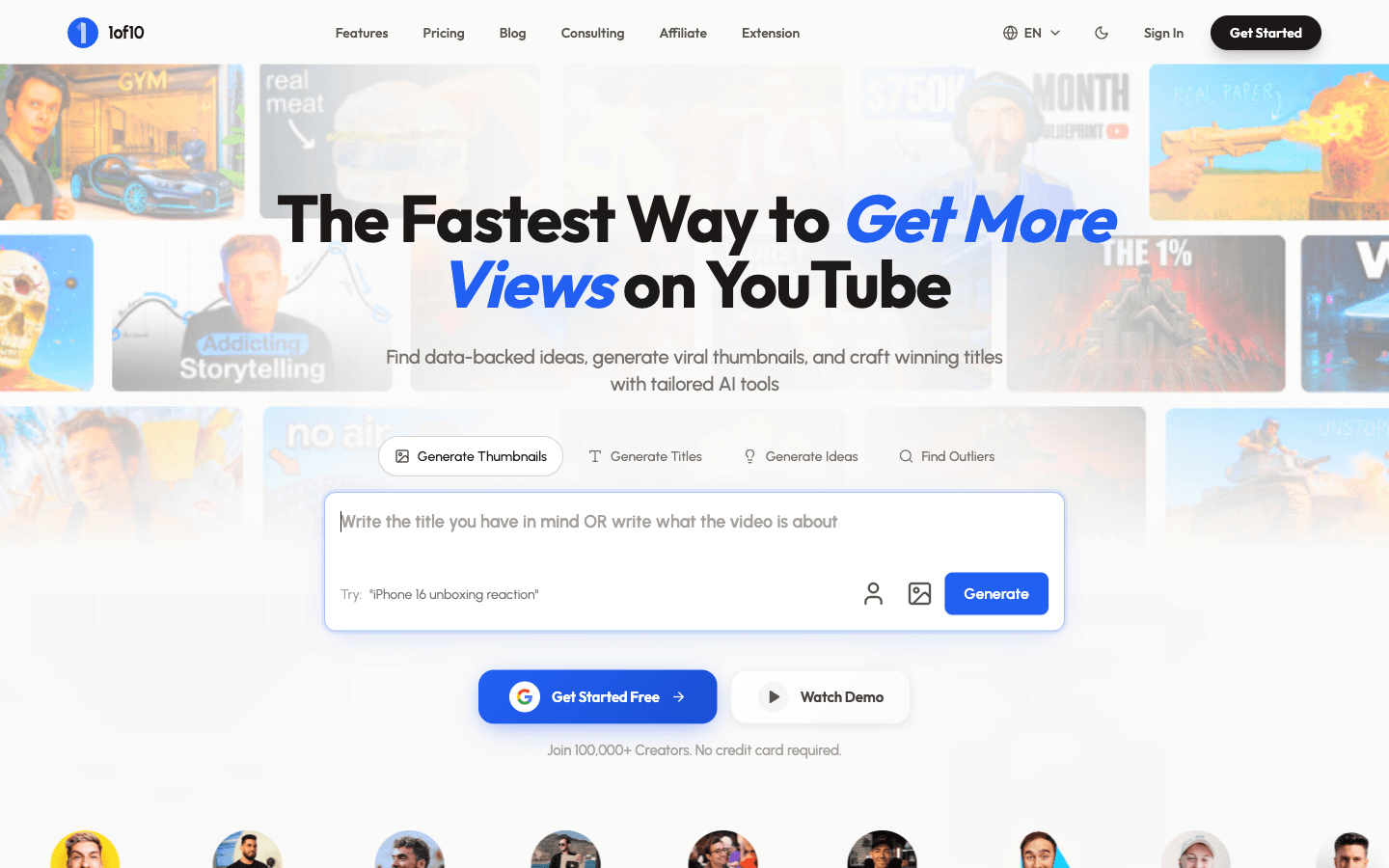
1of10 began as a YouTube outlier finder — a database the company says is trained on 62 billion views, surfacing videos that outperformed their channel's baseline — and now wraps a creation loop around it. Free gives 60 credits and 5 results, enough to judge the fit; Basic at $19/mo monthly ($15 yearly) buys 150 credits (their own estimate: ~7 thumbnails or ~2 edits); Pro at $89/$69 is the working tier at 1,000 credits. The catches: the ladder climbs fast (Ultra is ~$417/mo-equivalent), and payments are generally non-refundable per their terms despite a third-party blog claiming a 7-day guarantee. Buy it for the research loop, not the thumbnail maker.
ImagineArt is the switcher: one subscription, many video and image models — Veo 3.1, Kling, and the rest — metered in credits. Basic is $9/mo billed yearly for ~96 short videos at base-model rates; Ultimate is $34 for ~516. The catches matter more here than the sticker: credits reset every cycle and never carry over (their FAQ states it in one sentence), the pricing page loads on a yearly toggle with countdown clocks and struck-through anchors, and premium models burn credits several times faster than the base rates the quota math assumes. It's the right buy if you actually hop between engines; a single-model rival is cheaper if you don't.
What the full stack actually costs
a working AI video stack is cheaper than one enterprise seat — but only if each layer stays in its job. Verified October 2026, yearly billing:
| Role | Stack | First month | Steady state |
|---|---|---|---|
| Testing the waters | Zeemo Free + KreadoAI Free + 1of10 Free | $0 | $0 — trial benches only |
| Solo creator, faceless social | Zebracat Cat Mode + Submagic Starter | $35 | $35/mo |
| Podcaster repurposing | Klap Pro + Zeemo Pro | $47 | $47/mo |
| Faceless channel operator | Revid Growth + Zeemo Pro | $40 | $40/mo (credits decide) |
| Ecommerce ads | KreadoAI Pro + 1of10 Basic | $55 | $55/mo — plus license check below |
| Localization at scale | Akool Pro + Submagic Business | $62 | $62/mo — commercial use needs Akool Business, $174.30 |
That last line is the trap worth its own paragraph: Akool's commercial license starts at the $174.30/mo Business tier — everything below ships a personal license, which means the $12–41 plans legally don't cover the ads you'd run. For revenue-generating video, that line item isn't optional, and it changes which tool wins the ecommerce row. Klap's trap is similar in spirit: quota counts generations, not keepers, so judge plans by minutes of source footage, not clip counts.
Where AI video still breaks in 2026
generation quality is no longer the bottleneck — iteration cost, licensing, and sameness are. Three failure modes to plan around before you subscribe to anything.
- Do-overs are the tax. Nearly every tool here meters the retry: Elai charges per render click, Revid burns credits per regeneration, Klap counts generations not keepers, KreadoAI's coins don't distinguish inspiration from final cut. Budget for 2–3 attempts per keeper, whatever the demo promised.
- Licensing ladders hide below the sticker. Akool gates commercial use behind Business. Submagic offers no refunds on periods already started. Klap's checkout steers yearly. Read the license line for anything revenue-generating before the first campaign, not after.
- Sameness is the strategic ceiling. The same trending-audio templates, the same stock b-roll, the same synthetic voices are one subscription away for your competitors too. The tools that research outliers (1of10) or feed your own footage back in (Klap, Akool face swap on owned assets) produce work harder to replicate than pure generation — which is why the clipping and avatar layers keep outearning the generator layer per dollar spent.
None of this makes the category a pass. It makes the buying rule simple: pay for the job you have, meter and all — and stay on monthly billing until the workflow has survived six weeks.
Decision framework
| Your job | Pick | Verified entry price (yearly billing) | The catch that decides |
|---|---|---|---|
| Social video from text/URL, hands off | Zebracat | $23/mo | "Unlimited" still caps AI credits |
| Clip a podcast/webinar into shorts | Klap | $14/mo | Generations counted, not keepers; 45-min source cap on Basic |
| Faceless channel on autopilot | Revid | $32/mo | Do-overs burn credits; Trustpilot 3.9 |
| Cheapest captions + translation | Zeemo | $8/mo | Shared credit pool tempts scope creep |
| Caption-and-edit suite | Submagic | $12/mo | 2-min clip cap on Starter; no refunds |
| UGC-style ad creative from product links | KreadoAI | $19/mo | 30–50 min/mo coin math; thin review base |
| Face swap + video localization | Akool | $12/mo (personal license) | Commercial use starts at $174.30/mo |
| Training/course video | Elai | $23/mo | Every render click re-charges minutes |
| Find what to make | 1of10 | $15/mo | Fast credit ladder; non-refundable |
| Many models, one bill | ImagineArt | $9/mo | Credits expire monthly; premium models burn fast |
FAQ
What is the best AI video generator in 2026?
There isn't one winner — the honest answer sorts by job. Zebracat ($23/mo yearly) is the strongest verified default for text-to-video marketing content, KreadoAI ($19–40/mo) for ad creative from product URLs, and Klap ($14/mo yearly) if "generator" means clipping footage you already own. The head-term rankings you'll see elsewhere mostly compare generation quality in isolation; pricing mechanics and license terms change the answer more than model quality does.
Are there any genuinely free AI video generators?
Not in the way the search results promise. The real free tiers are trial benches: KreadoAI gives about 3 minutes of video once, Zeemo captions a few short videos free, ImagineArt's free tier does images but no video. Every tool here costs GPU money per render, so "free video generator" in practice means a small one-time quota — enough to judge quality, not to run a channel.
Can AI clip a long video into shorts automatically?
Yes — this is the most mature job in the category. Klap ($14/mo yearly) turns one upload into captioned, reframed vertical clips with scheduling built in; Revid adds a full write-render-publish loop if you don't have footage at all. The catch on every clipping tool: the quota counts what the AI produces, not what you keep, so a weak source video burns quota on clips you'll never post.
Is AI video good enough for ads?
For volume creative testing, yes — with two conditions. KreadoAI's URL-to-video and batch TikTok output exist precisely for ad variants, and a 30-second AI creative costs roughly $0.40–2 to produce across these tools. The conditions: commercial licensing (Akool's starts at $174.30/mo Business — read this before running ads) and honest expectations on the top of the funnel; AI UGC converts on volume and iteration, not on single perfect spots. Full analysis: AI UGC Video Generators: What $20–40/Mo Actually Buys.
Do AI subtitles work for Vietnamese and other non-English languages?
Yes, and it's the cheapest layer of the stack. Zeemo captions in 95 input languages and translates to 124+, with the year at $96 covering about 60 hours of video; Submagic claims 123 caption languages inside its editor. For caption/translation work outside English, Zeemo's price-performance is currently the verified floor.
Klap or Revid — which one for a faceless channel?
Revid, and it isn't close on fit: Auto-Mode workers, script generation, and the 3M-video remix library are built for posting schedules without source footage. Klap is the better tool when the input exists — it repurposes your podcast or webinar into clips. Running both is a legitimate pattern (clip the talking-head show with Klap, generate faceless cutdowns with Revid), but start with the one that matches the footage you actually have. Numbers: Klap vs Revid.
Related Guides
- Faceless Video AI: The Stack for Channels Without a Face (2026) — the full build for the no-camera format
- AI UGC Video Generators: What $20–40/Mo Actually Buys (2026) — the ad-creative layer in depth
- Klap vs Revid · Submagic vs Zeemo · Akool vs KreadoAI · Elai vs KreadoAI — the head-to-heads behind this guide
- Best AI SEO Tools: Top 10 for 2026 — what to run before the video ships: research, detection, tracking
- AI Writing Tools Guide (2026) — the scripts and hooks these video tools render
- AI Podcasting Workflow (2026) — where the long footage comes from
- Browse all AI video tools in the directory
Last updated: October 27, 2026. Pricing verified October 26–27, 2026 from vendor pricing pages, both billing toggles where shown; ratings reflect documented strengths and failure modes from our full tool pages, not hands-on renders.
Disclosure: This article contains affiliate links. All ten tools above have active affiliate programs, with commissions verified from signup pages October 2026: Zebracat 30% recurring, Submagic 30% recurring, 1of10 30%, Akool 35% for the first 3 months, Elai 25% (first 12 months), Zeemo 25% (first 12 payments), Klap 20% and Revid 20% recurring (Klap's own affiliate page advertises 30% — the signup terms say 20%, and we report the signup number), KreadoAI 20%, Makereels 10% (first 6 months), ImagineArt up to 30%. We also recommend tools with no affiliate program when they're the best fit. Pricing can change — verify at checkout.