How We Test AI Tools: Evidence Files, Screenshots, and the Signup-Page Rule
Last updated: October 27, 2026 | Scope: documents the verification process behind every tool page and comparison on this site, as of October 2026.
Answer first: every tool page on this site stands on an evidence file — a structured record where each claim carries its own source and verification date, backed by screenshots of the vendor's own pages. Pricing gets captured with both billing toggles clicked. Commissions get checked against the affiliate signup page, not the marketing site. And one gate rules the whole thing: if we didn't run the tool, the article says "reviewed," never "tested." This page documents that machinery so you can audit any number we publish back to its receipt.
Why we work from evidence files
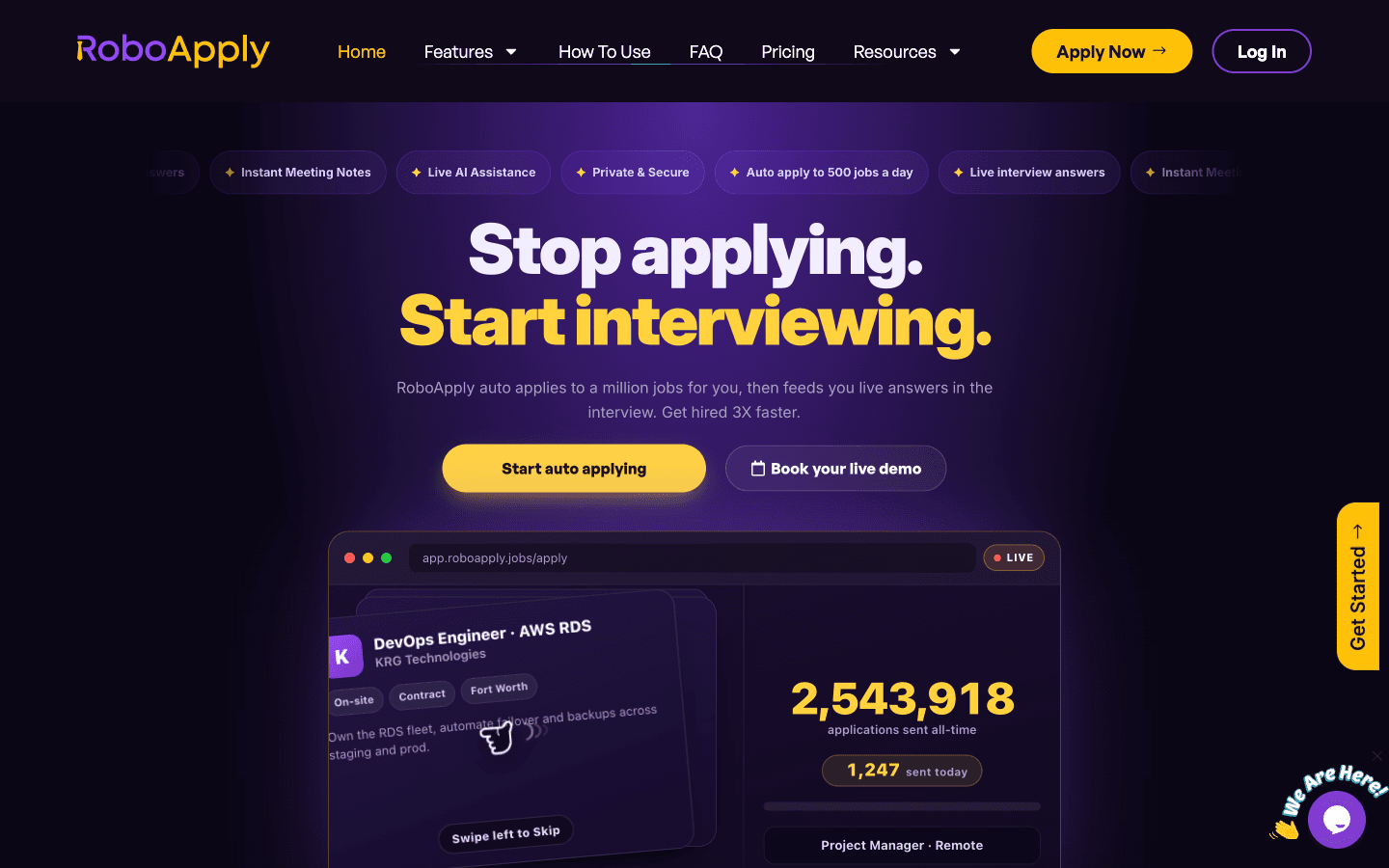
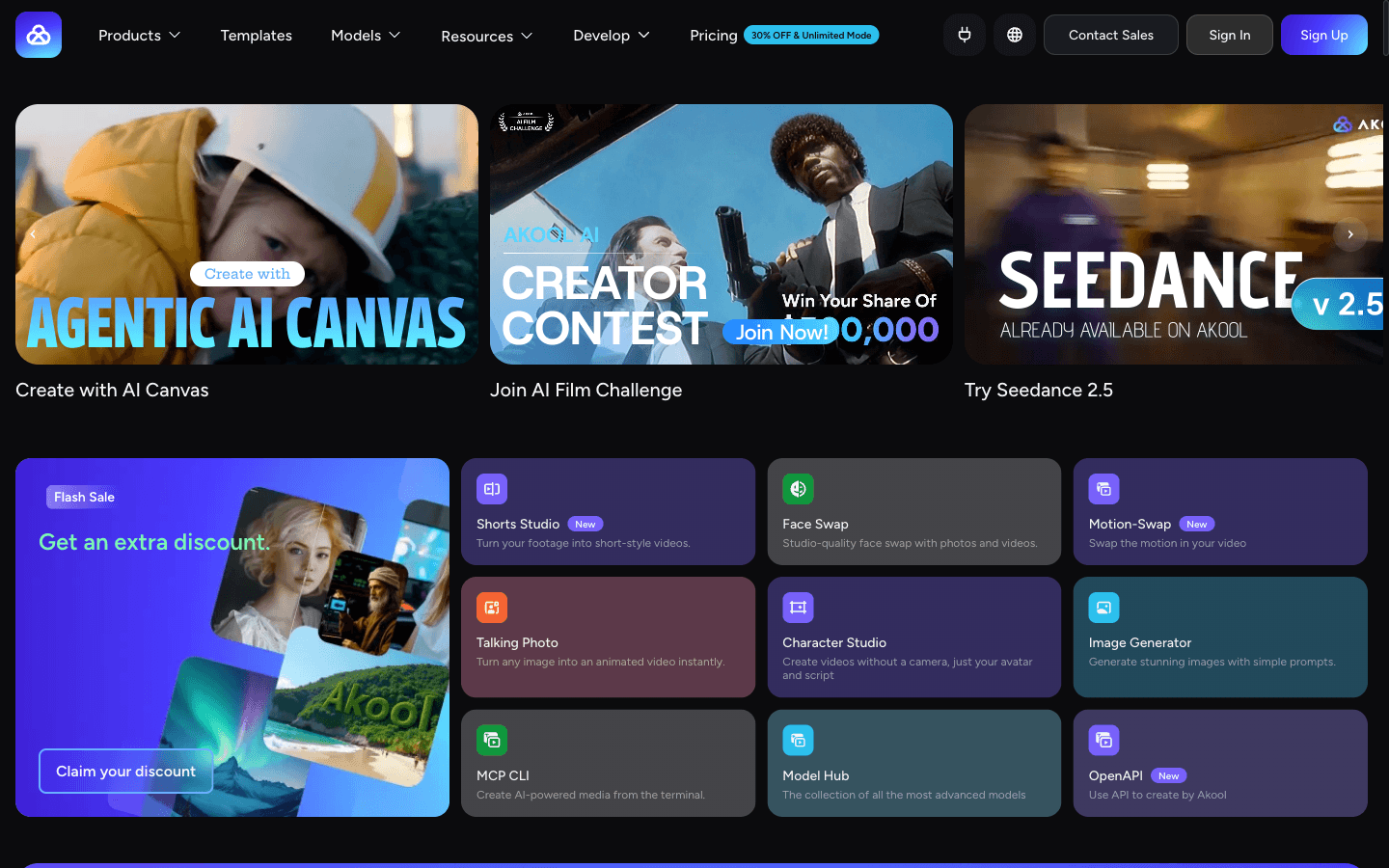
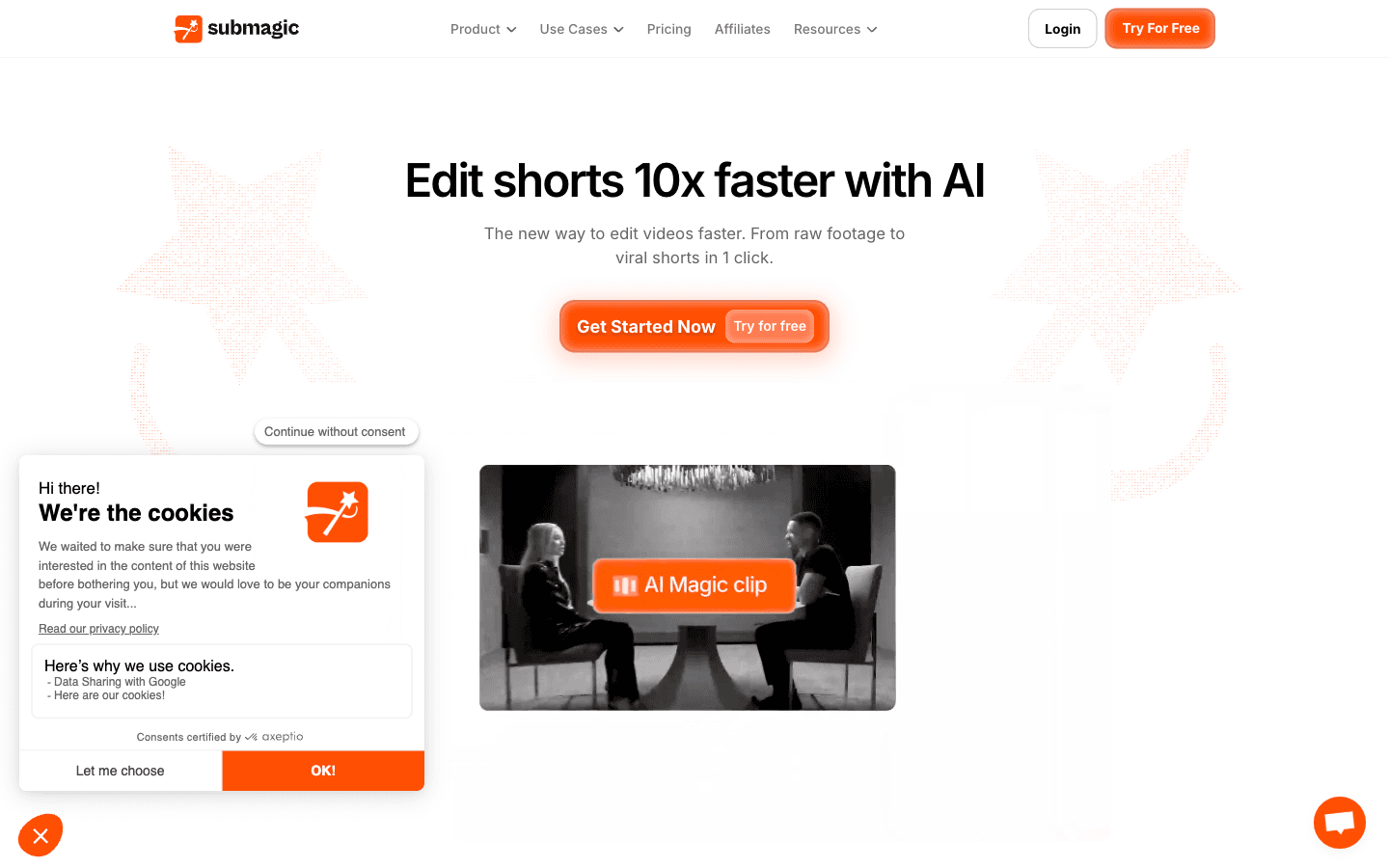
AI tool marketing has a documented-record problem. Vendor homepages disagree with their own pricing pages (Submagic claims 123 languages on one page and 48+ on another). Review scores get inflated or suppressed (Akool's Trustpilot score was pulled during a fake-review removal). User counts disagree with themselves on the same domain (RoboApply: 50K+ on one page, 116,440+ on another). A reviewer who quotes any of these numbers without a capture date is laundering marketing into journalism.
So every tool we cover gets an evidence file before a word of content is written. The file is the source of truth; the article is its readable summary; every number in the article must trace back to a line in the file. If it can't, the number doesn't ship. That rule has one effect worth advertising: there is no invented number on this site. Numbers are captured, cited, or hedged — in that order of preference.
What goes into an evidence file
Each file is a fixed structure, and the structure is the point — it forces completeness the same way every time:
- Identity table with per-claim sources. Name, website, tagline, category — each row carries where it came from. Even the tagline is quoted from the hero, because taglines drift when products pivot (Unifire's homepage now sells a humanizer where its repurposing engine used to be — the kind of fact that changes old roundup lists).
- Pricing table, verified with a date. Every tier, every billing period, trial mechanics, card requirements. Captured from the live pricing page with the toggles clicked — more on that below.
- Pros and cons, each line with its own source. No vibes-based weaknesses. "Slow rendering" counts only if a review platform tags it (Akool: 62 G2 mentions) or a dated review documents it (a 12-hour render wait).
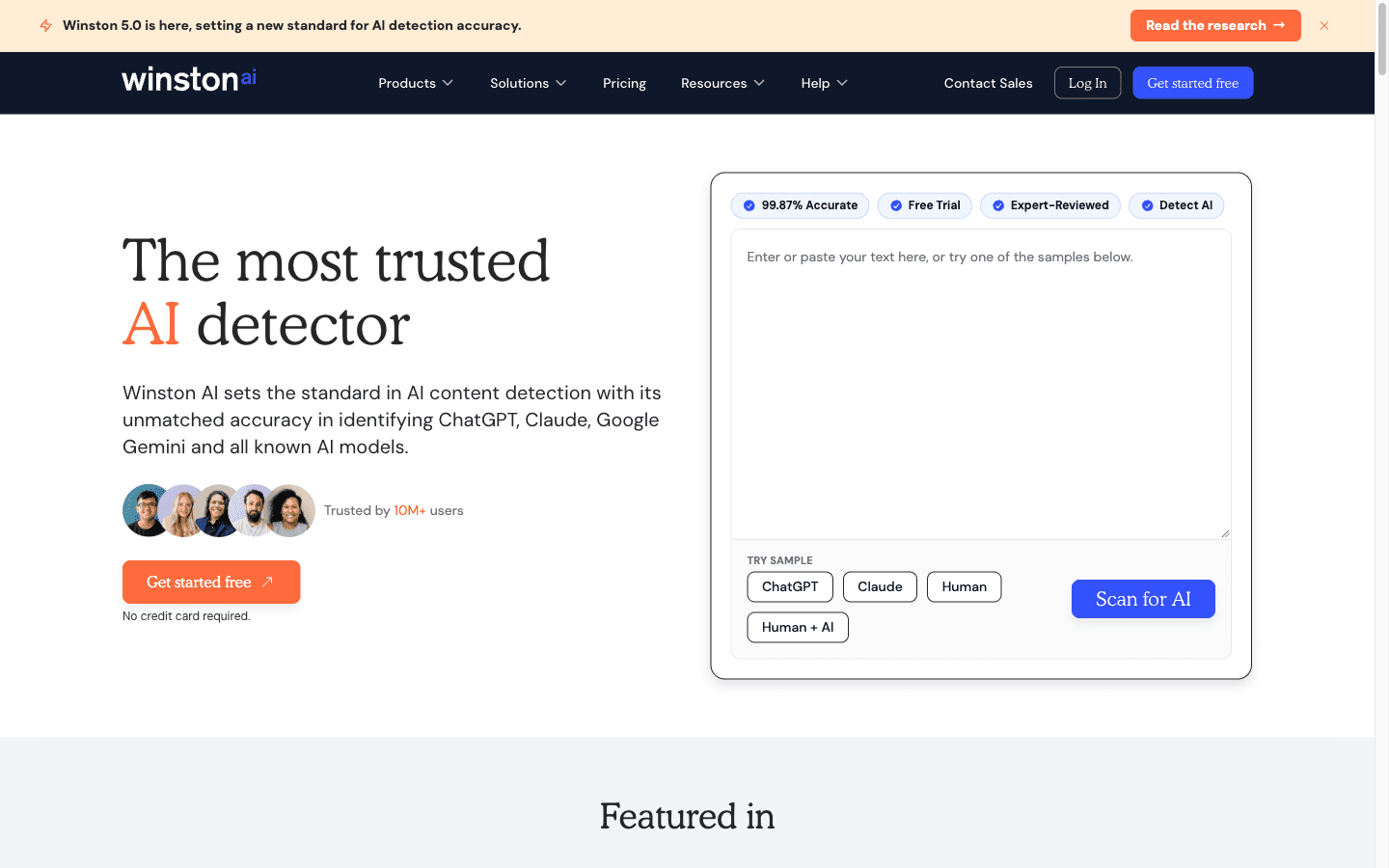
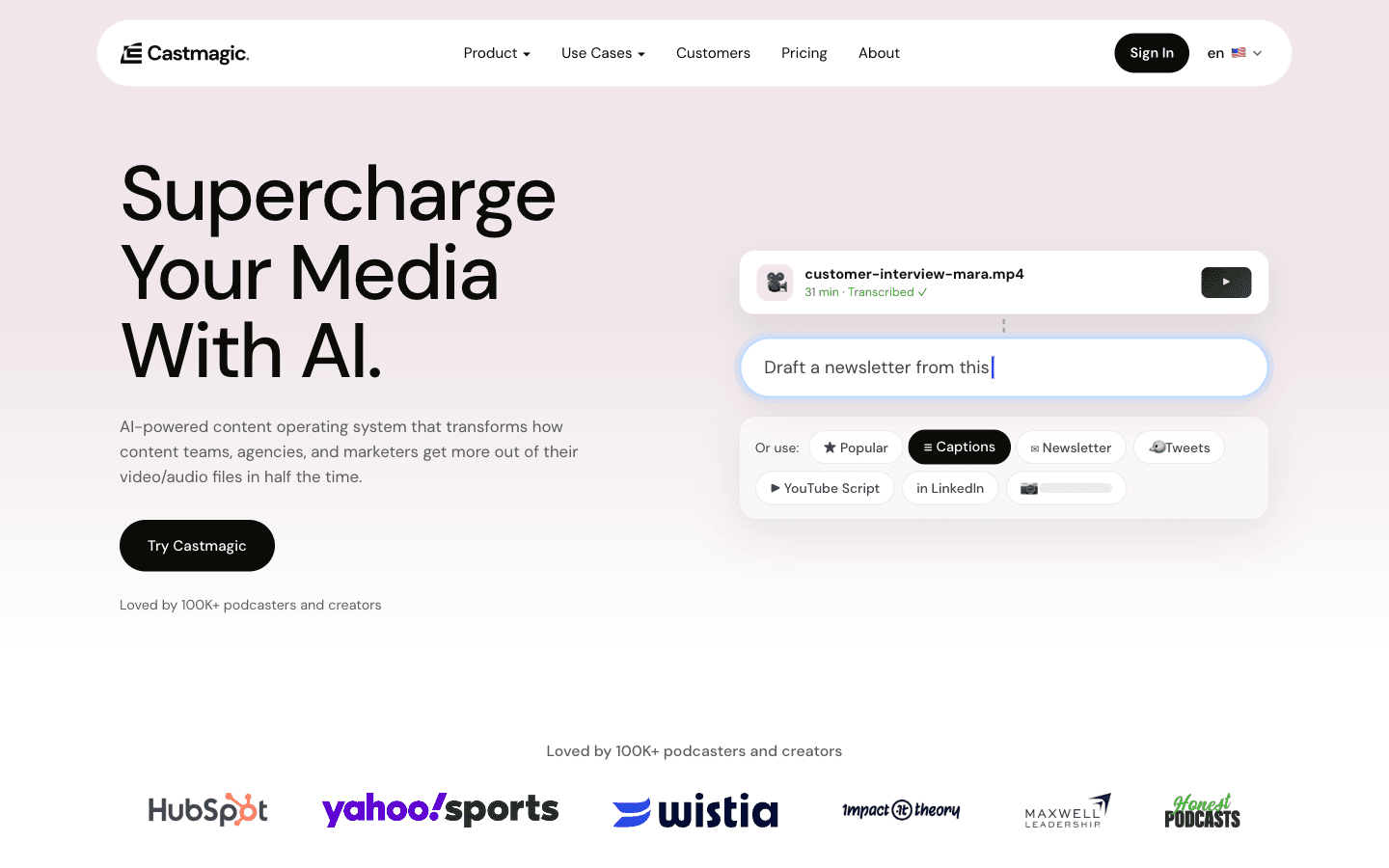
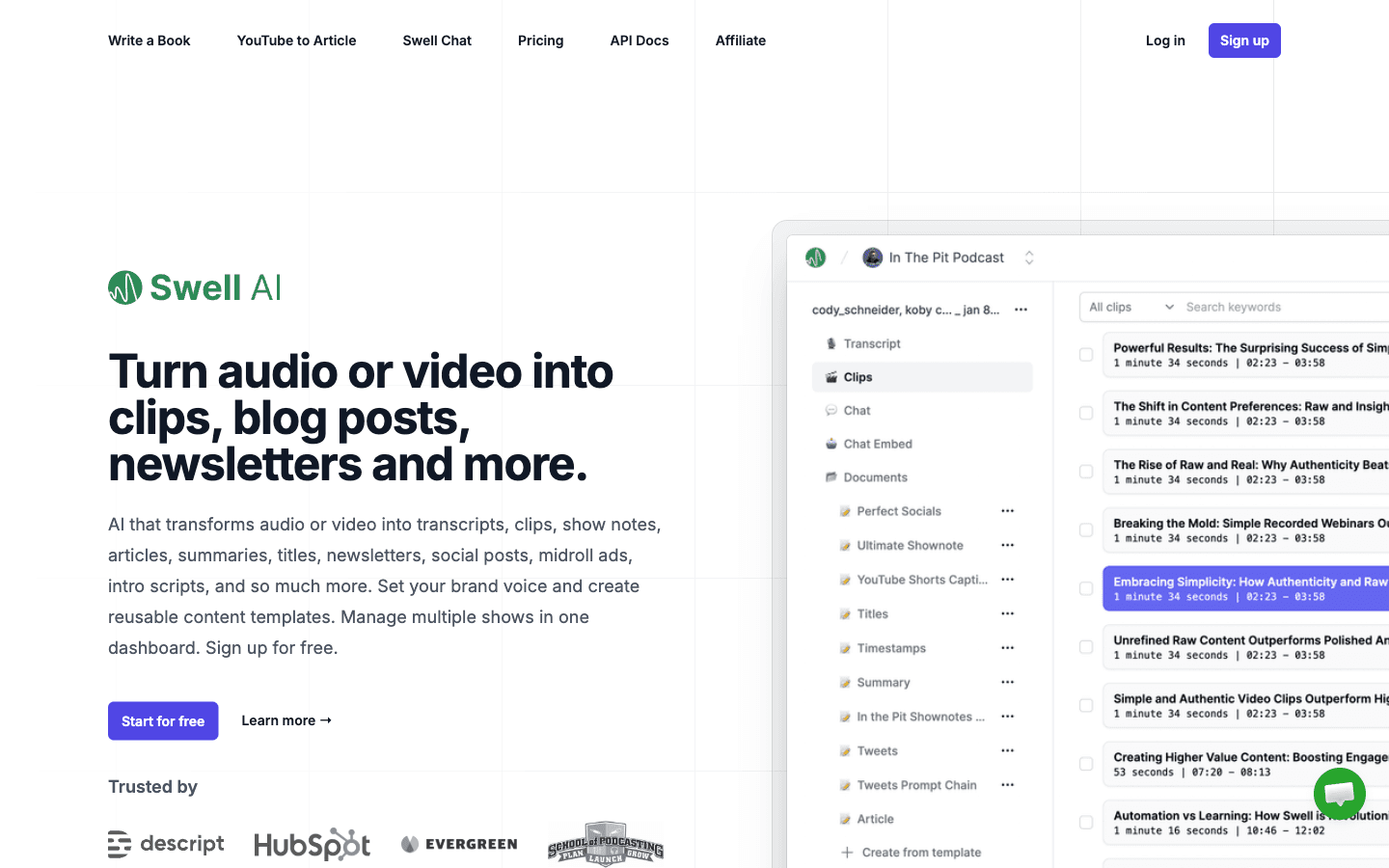
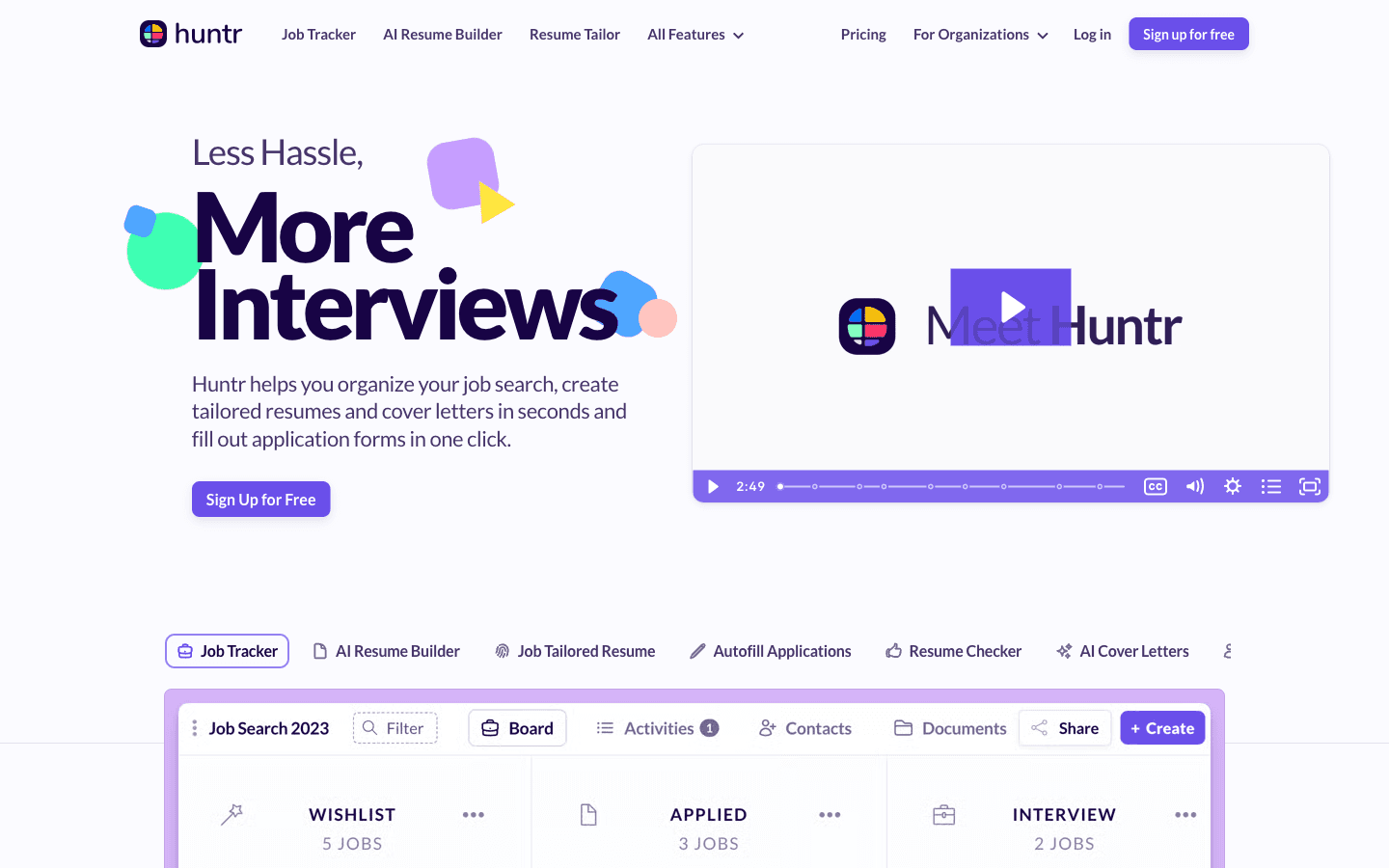
- Screenshots as receipts. Homepage, pricing page, one key feature page — captured in a real browser, popups dismissed, before any text is written. When a vendor later changes a page, the screenshot is the receipt of what we saw.
- Citations with access dates. Every URL used, every date accessed. This sounds pedantic until the first time a vendor rebrands a plan tier and you need to know what the world looked like in October.
- A confidence line. Which parts are high-confidence (directly captured), which are medium (small or self-selected review samples), which we couldn't assess at all.
How pricing actually gets verified
The pricing capture is the part most often faked elsewhere, so here's the whole procedure:
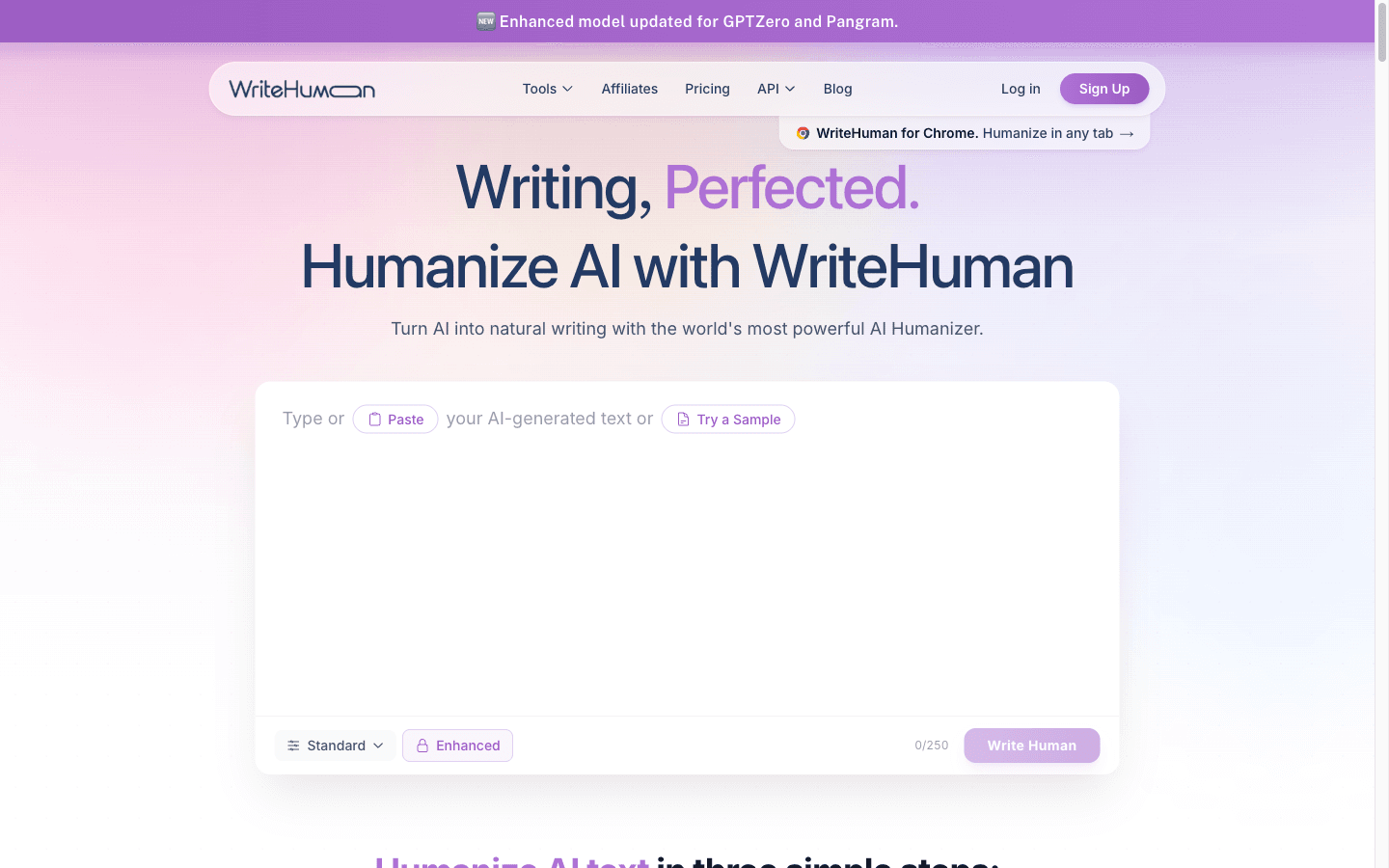
- Both toggles. Annual and monthly prices get read separately, because vendors anchor one and hide the other. WriteHuman's "4 months free" annual framing adds 52–53% to the monthly bill elsewhere in this market; you only see that by clicking both.
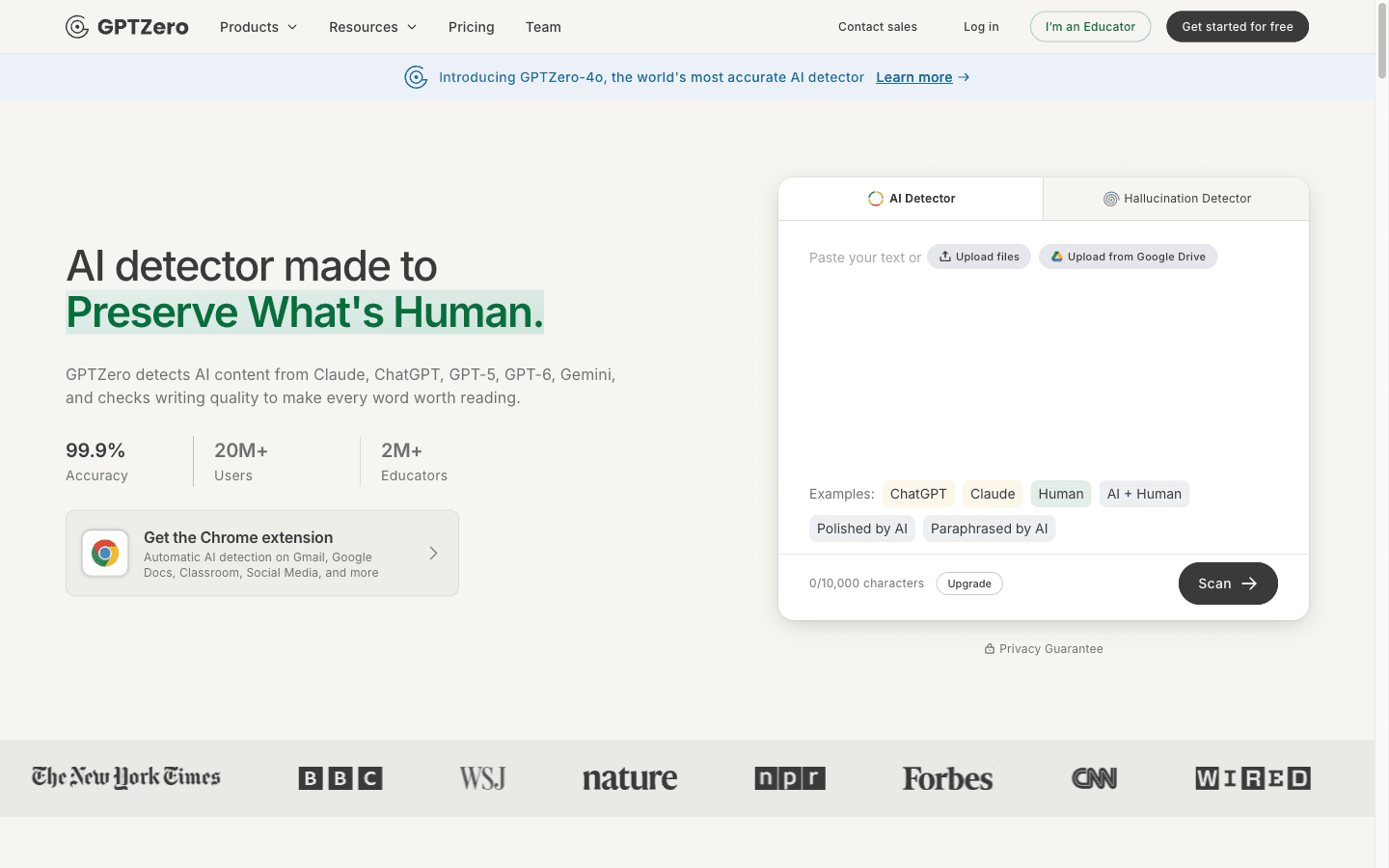
- The geo-render trap. Pricing pages sometimes render in your location's currency instead of USD. When that happens we quote the USD figure the vendor publishes elsewhere — for GPTZero, the educator-page valuation — explicitly labeled as an estimate, and mark unverified tiers as pending re-verification. A reviewer who silently converts currencies is inventing a price.
- The permanent-sale trap. KreadoAI's list prices stay struck-through behind a standing discount banner; Akool prices tiers at "30% OFF" against a list nobody pays. We record the anchor as an anchor. The comparisons that involve these tools explain the mechanics instead of quoting the theater.
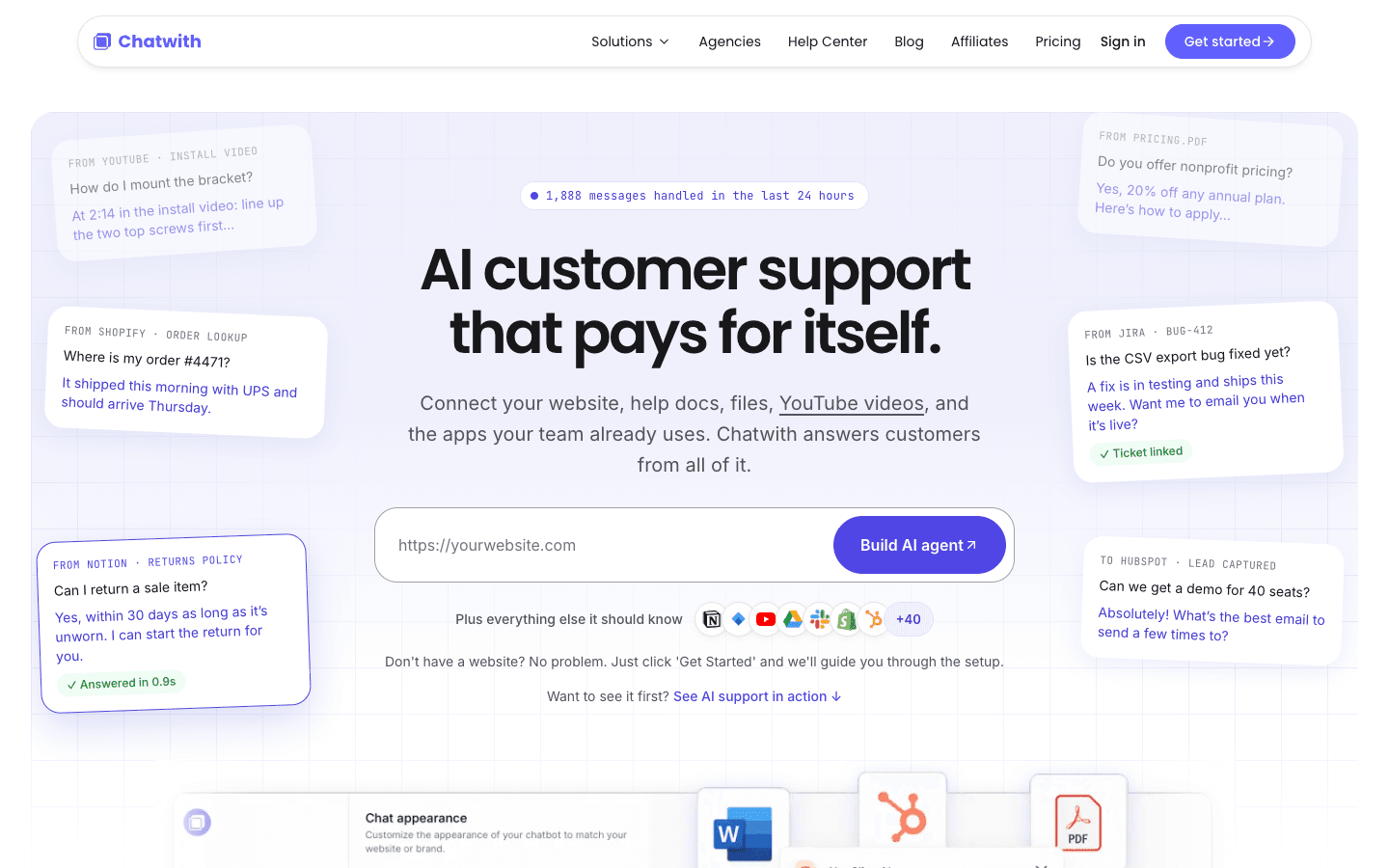
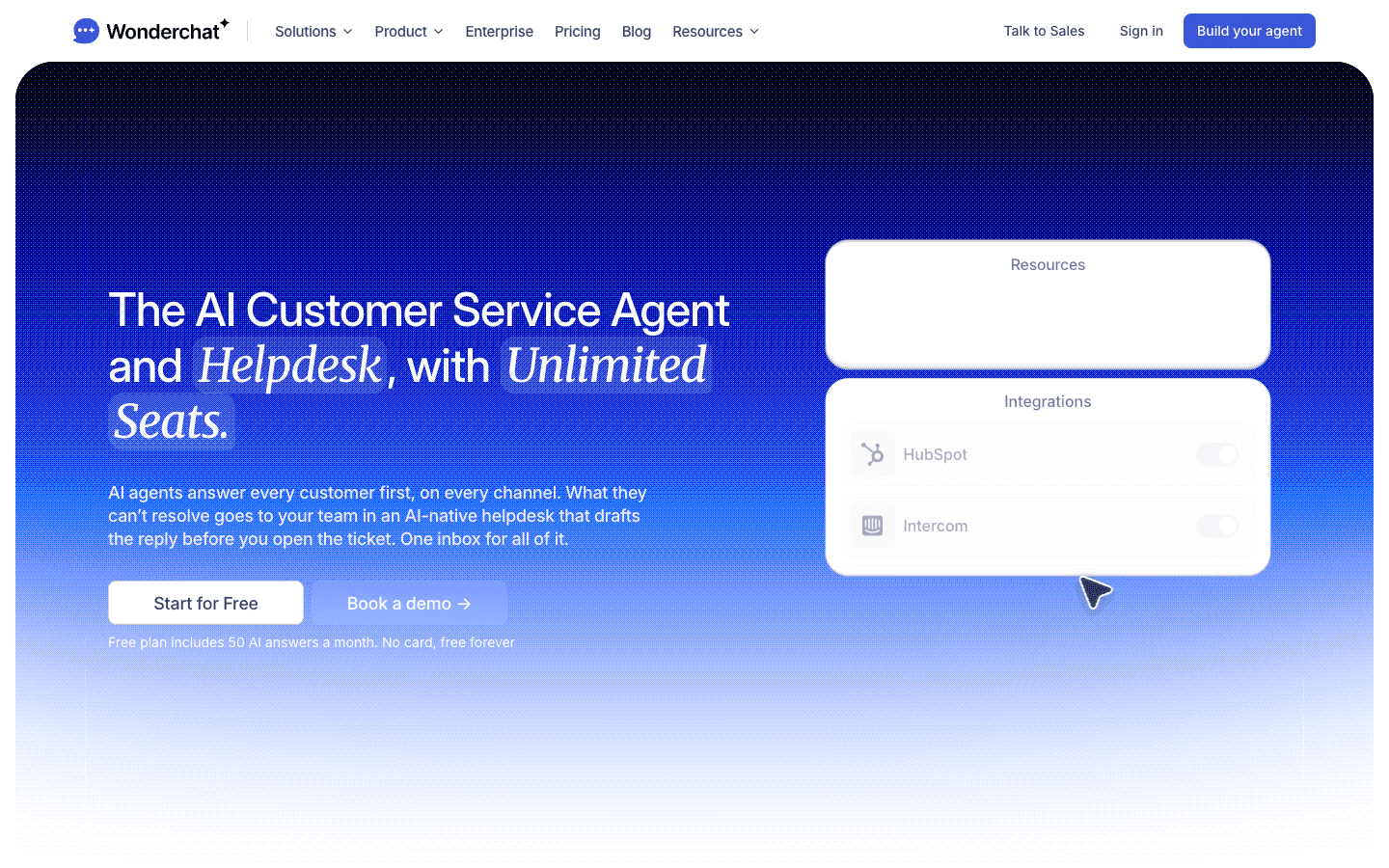
- The trial fine print. Whether a trial needs a card, what happens when credits run out mid-trial, and whether the "free" tier refills — each verified from the FAQ or flagged as unpublished. Wonderchat's free plan refills monthly; Chatwith has no free plan and its trial badges stop at the Starter tier. Small differences, real money.
- The terms pass. Refund windows, cancellation flows, auto-renewal clauses — read in the actual terms document, not the FAQ's summary of it. RoboApply's FAQ promises a "no questions asked" guarantee; its own ToS requires 90 paid days, 500 completed applications, and an activity verification. We quoted both.
The signup-page rule for commissions
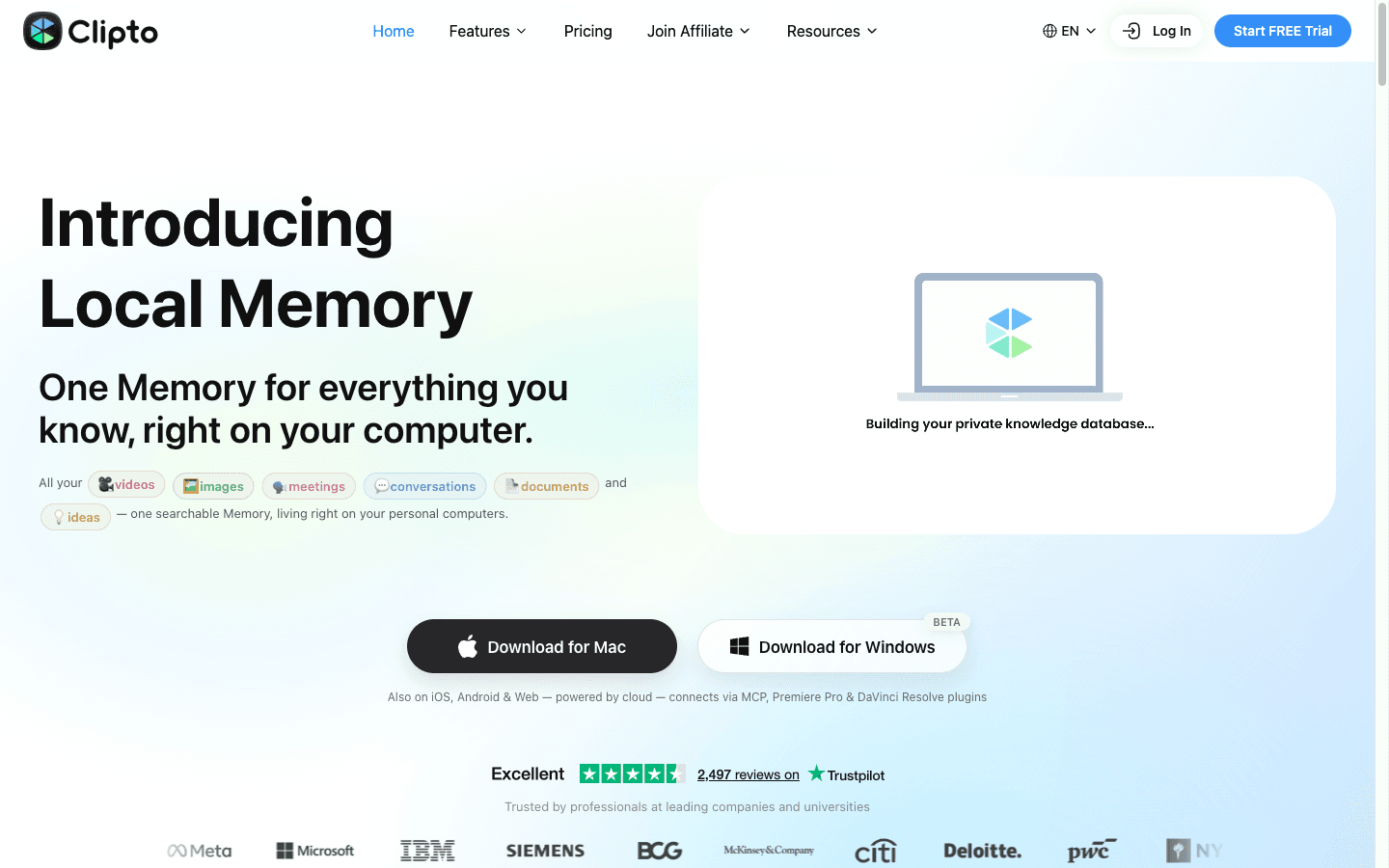
Commission numbers come from the affiliate signup page — the contract, not the marketing. The case that set the rule: Clipto. The vendor's marketing page advertised a 50% commission; the signup page said 20%. We recorded 20% as authoritative, published the discrepancy in the review, and corrected our database. The same check has since caught a 33%-vs-20% gap (Chatwith) and a 30%-vs-25% gap (Humanize AI) before those numbers ever reached a page.
Why it matters to you: a site that doesn't know its own commission numbers isn't positioned to claim its verdicts ignore them. Verifying both sides is how we make that claim checkable — and the signup page remains the number we'd actually get paid, which makes it the honest one to disclose.
The mode gate: research-only vs hands-on
Every piece carries a mode declaration, and the gate is binary:
- Research-only means pricing, docs, terms, and review records — verified and dated — with no deployment of the tool. Every sentence about quality is attributed: vendor-published, reviewer-reported, or benchmark-cited. The method statement at the top of the article says "neither vendor has processed our footage" rather than implying a test bench that never existed.
- Hands-on means we ran the tool ourselves, and the article shows the numbers: the Clipto review transcribed a real 43-word test file — 43/43 words clean — and verified first-month pricing against the actual checkout. That review is also where the 50%-vs-20% commission discrepancy got documented with the signup flow.
What the gate forbids: "we tested" sentences about things we didn't test, experiences we didn't have, and numbers we can't trace. It also forbids the inverse sin — hiding scope. When a comparison covers a tool only through documentation, it says so in the first paragraph. You should never have to reverse-engineer whether a human actually clicked the tool.
What we deliberately don't do
The exclusions are part of the method:
- No vendor previews or approvals. Nobody sees a review before publication or gets edit rights after.
- No seeded or gifted accounts. If we ever test on a provided account, the article discloses it. So far, hands-on testing has been on accounts we paid for.
- No anonymized "expert consensus." Claims come from named, dated, linked sources or from our own recorded tests. "Experts say" is a sentence we don't write.
- No score inflation. We don't publish 10-point ratings for tools tested through documentation alone; where ratings appear, they're tied to the depth of actual testing described alongside them.
How to use this when choosing your own tools
The process scales down to something you can run in twenty minutes, which is the real point of publishing it: open the pricing page and click both toggles; search the vendor's name on Trustpilot and G2 sorted by recent, reading billing complaints first; open the terms document and search "refund"; and check whether the tool's own pages agree with each other. If a vendor fails three of those four checks, the discount in your cart is not the trap you should be pricing.
Frequently Asked Questions
What is an evidence file for an AI tool review?
It's the structured record behind a review: identity, dated pricing tables, per-claim sourced pros and cons, screenshots of the vendor's own pages, and citations with access dates. Every number in the published article traces to a line in the file — it's the difference between a review and a paraphrased press release.
Are your reviews hands-on tests?
Each article's method statement declares its mode. Most tool coverage is research-only — pricing, docs, and review records verified with dates — and says so plainly; hands-on reviews like the Clipto test show their numbers and receipts. We don't write "we tested" about things we didn't test, and we don't hide which is which.
Why do you trust the signup page over the marketing page for commissions?
Because the signup page is the contract that governs payment. Marketing pages have advertised different numbers — our documented cases include 50%-vs-20% (Clipto), 33%-vs-20% (Chatwith), and 30%-vs-25% (Humanize AI) — and the discrepancy itself is disclosed in the content. Recording the contract number keeps our disclosure honest even when the vendor's own pages disagree.
How do you verify pricing when vendors show different prices to different countries?
We capture what renders, label geo-rendered captures as regional pricing, and cross-check against any USD figure the vendor publishes elsewhere — the GPTZero capture is the worked example. What we don't do is silently convert currencies and present the result as a list price.
What does "The Catch" section mean in your reviews?
It's the mandatory section naming what will burn money or disappoint: billing traps, cancellation friction, meter mechanics, accuracy caveats — for every tool, including the one we recommend. A review without a Catch is an ad with paragraphs.
Do tool vendors pay for or preview reviews?
No. No vendor sees content before publication, no one buys placement, and no gifted account has been used for testing so far. The affiliate relationships that do exist are disclosed on every page, with commission numbers verified against signup pages.
How current is the information on tool pages?
Each page carries its verification date; pricing gets re-checked monthly and pages refreshed as vendors change. When something drifts before a scheduled refresh, readers catch it faster than we do — the contact page is the fastest way to get it re-verified.
This site earns affiliate commissions from some links, disclosed on every page with signup-page-verified numbers; commissions never determine verdicts. We also recommend tools with no affiliate program when they're the best fit. Last updated: October 27, 2026.