How We Compare AI Tools: The Method Behind Every Head-to-Head
Last updated: October 27, 2026 | Method: documentation of our own process — every claim here describes what we actually did on the 14 comparisons live as of this date.
Answer first: a comparison is only as good as its verification trail. Ours runs six steps — pair tools that share a real job, re-read both pricing pages with the toggles clicked and dates stated, compute the meter math at realistic volumes, pull the review record including the ugly parts, write the catch for both tools including the one we recommend, and end with a decision table that picks winners. No step is optional. When we skip something, the comparison says so in its method statement.
Why most AI tool comparisons waste your time
Three failure modes show up so consistently they're worth naming, because each one has an opposite in our method.
The spec-sheet dump. Two columns of features, checkmarks everywhere, and no sentence about which tool survives your actual workload. A feature list is a database query, not a recommendation. We replace it with the meter: what exactly does each tool count — words, requests, credits, minutes, seats — and what does that cost at your volume? That single question kills more marketing claims than any feature table.
The one-prompt verdict. Someone types one prompt, screenshots one output, declares a winner. We don't do hands-on verdict theater. Most of our comparisons are built from documented records — pricing pages, terms of service, review platforms, vendor's own benchmark claims — and the method statement at the top of each page says exactly that: what we verified, on what date, and what we have not done ("neither vendor has processed our footage"). Where we have run a tool ourselves, the article says so and shows the numbers. Never the other way around.
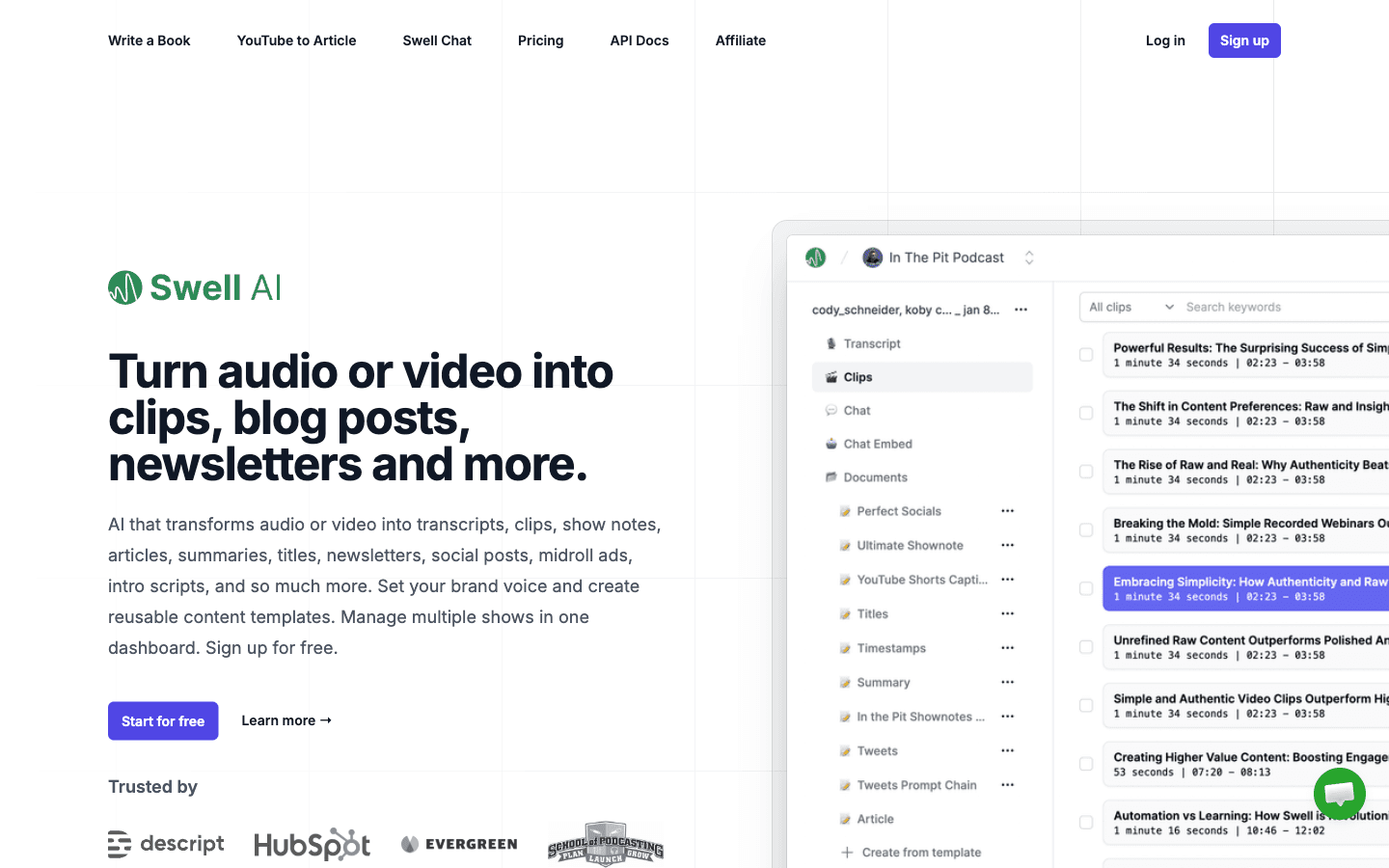
The commission compass. The tool with the affiliate program wins, mysteriously, every time. The tell is a comparison with no catch section. Ours has one for both tools, every time — including tools whose programs pay us, and including verdicts where the recommended tool pays at a lower rate than the runner-up. One published comparison (Swell AI vs Unifire) is largely about a tool that can't take your money at all, which is precisely the kind of thing a commission compass never writes.
The six steps, in order
1. Pair by shared job, not shared category
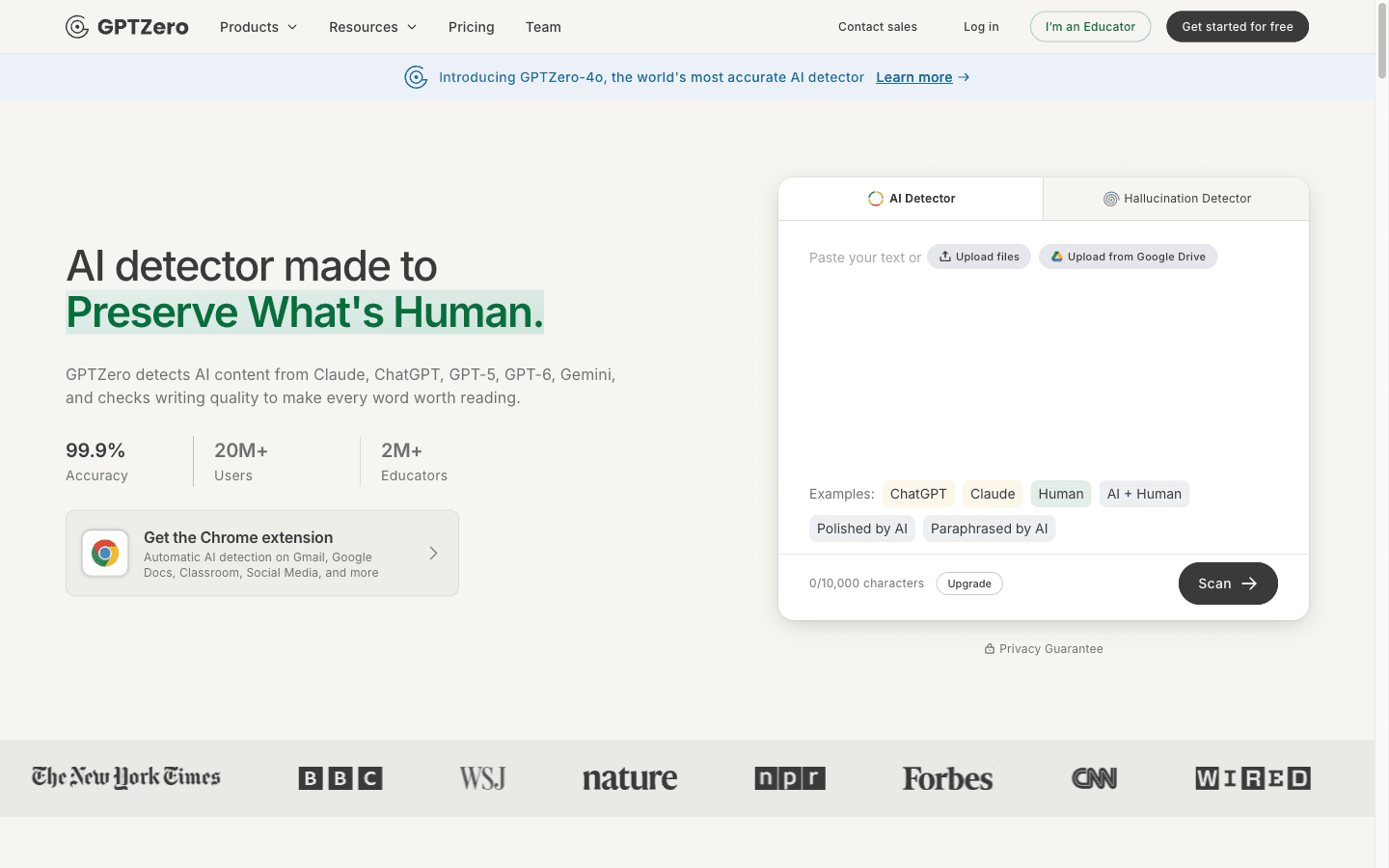
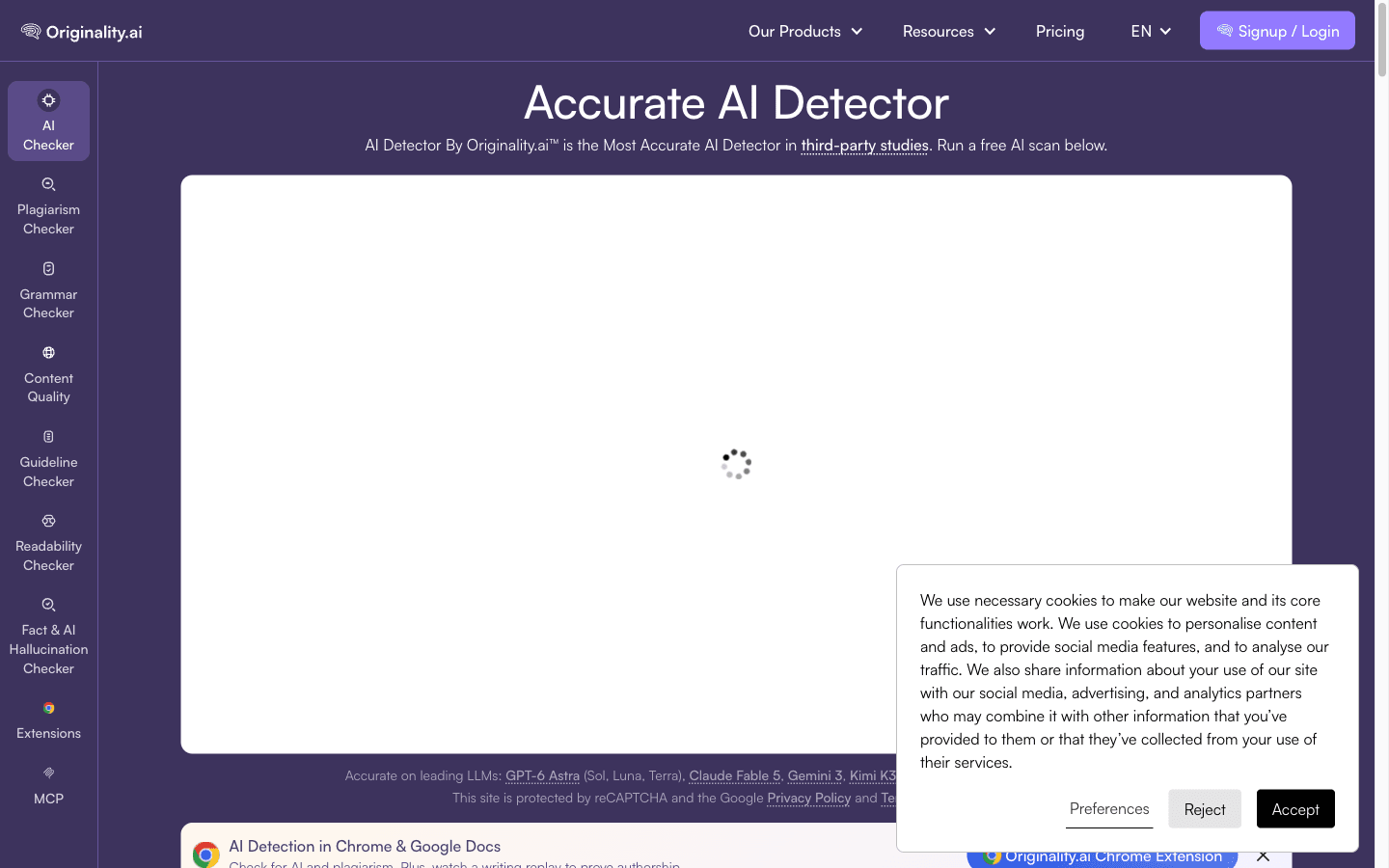
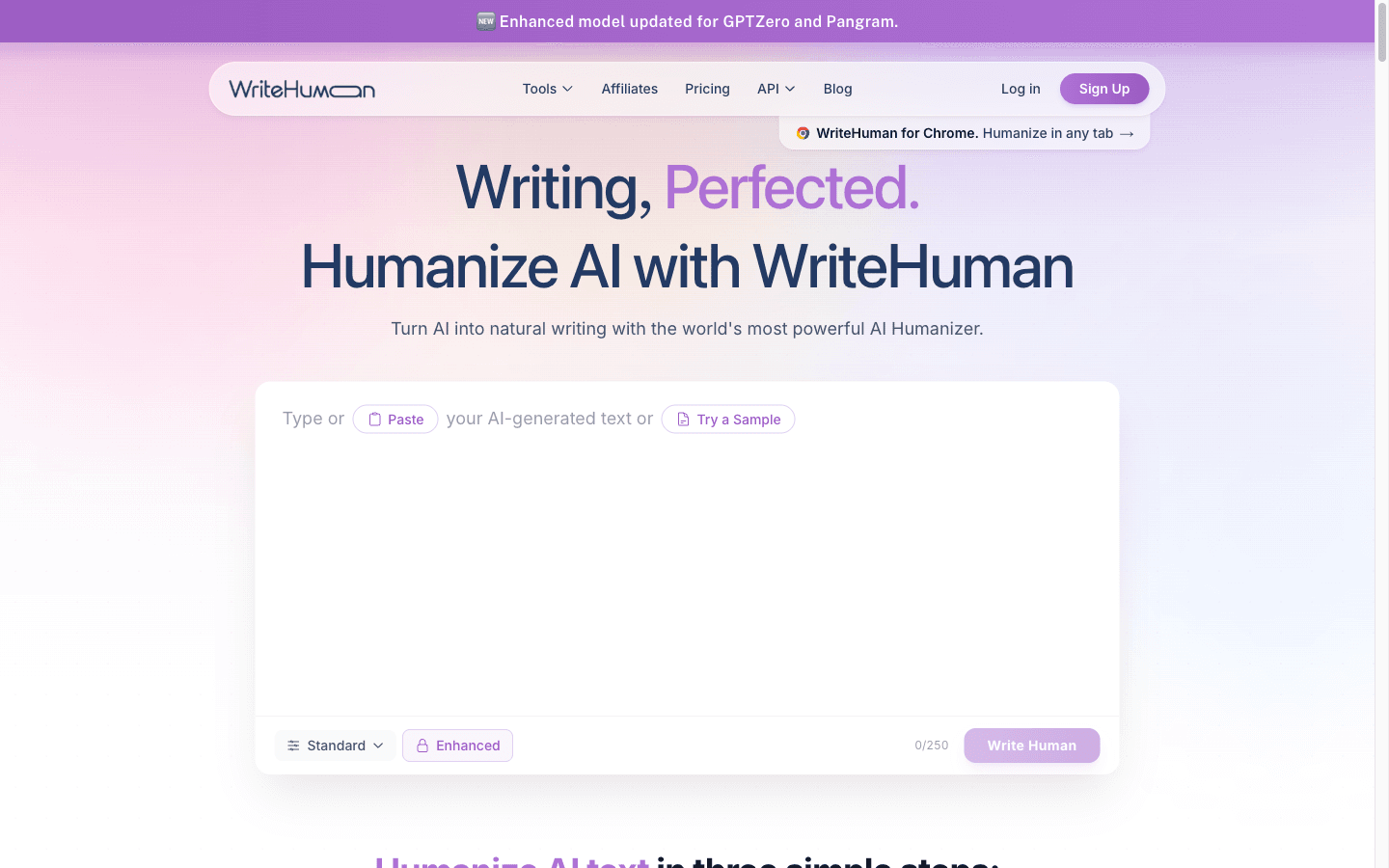
We only publish a versus when real buyers confuse the two tools for the same task. That's why the detection cluster has three comparisons (GPTZero vs Originality.AI, GPTZero vs Winston AI, Winston AI vs Originality.AI) with three different intents — evidence vs publishing, price vs proof, volume vs plagiarism — instead of one article reshuffled three ways. When two tools do adjacent stages of one workflow instead of the same stage, the comparison says so and adds a "when to use both" section (GPTZero vs WriteHuman is exactly that case: a detector and a humanizer that meet in a loop).
2. Re-verify pricing on the vendor's own page
Both pricing pages, both billing toggles clicked, every tier recorded with the date. The date is not decoration — vendors reprice monthly. The verification also catches the tricks:
- Geo-rendering. GPTZero's pricing page rendered regional pricing to our capture location; we quote the USD figure from the vendor's own educator page, flagged as an estimate, and mark unverified tiers as pending re-verification.
- Permanent sales. KreadoAI shows struck-through list prices and a standing discount banner; Akool prices tiers at "30% OFF" against list. We treat the struck number as an anchor, not a price, and say so.
- Perishable coupons. Winston AI displayed a 50%-off code on every tier; we recorded the list price with the coupon noted as a time-boxed fact.
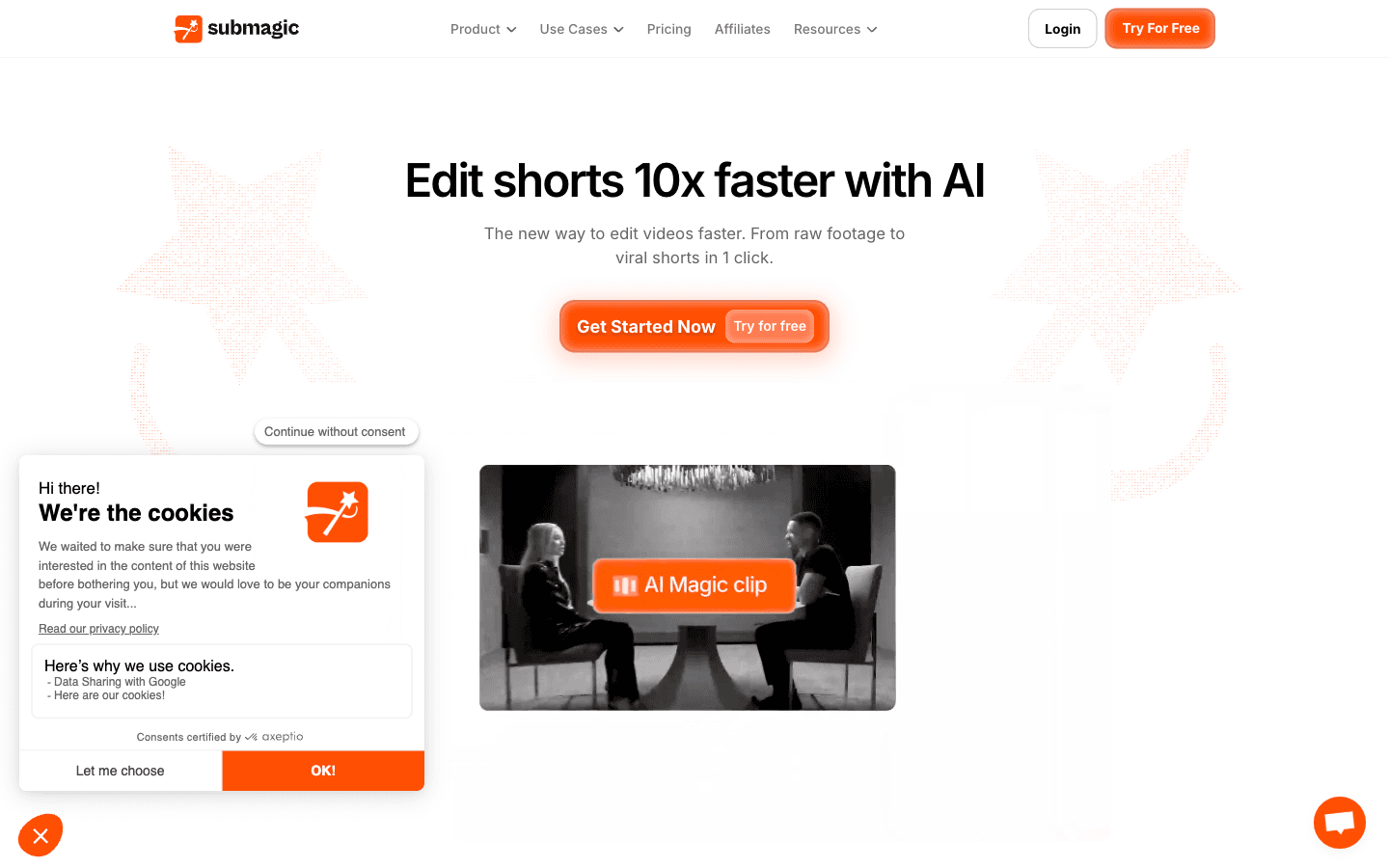
- Per-member and per-seat meters. Submagic's sticker is per member per month — a 3-person team triples it. If the multiplier is in the pricing table, it's in our comparison.
3. Do the meter math at real volumes
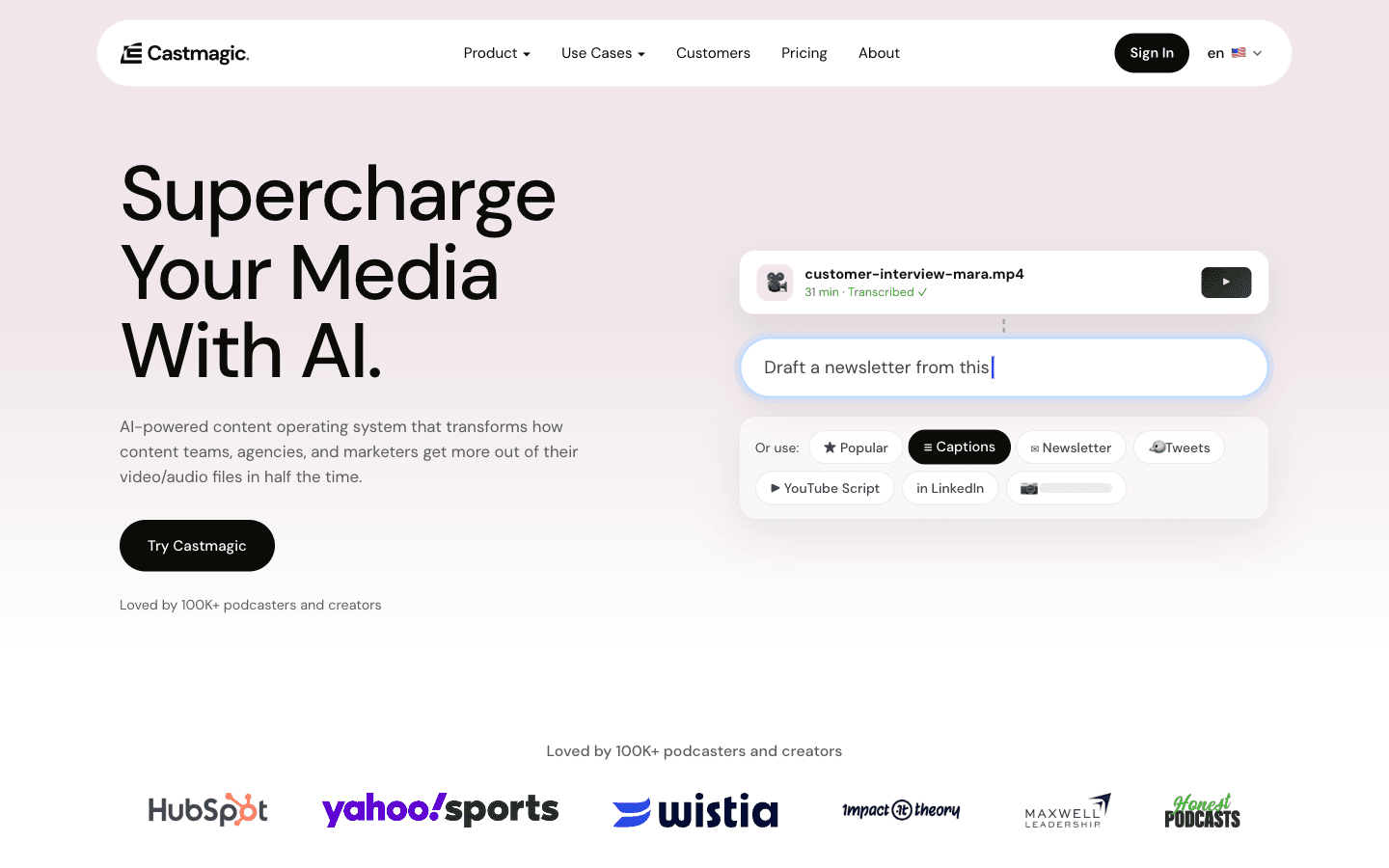
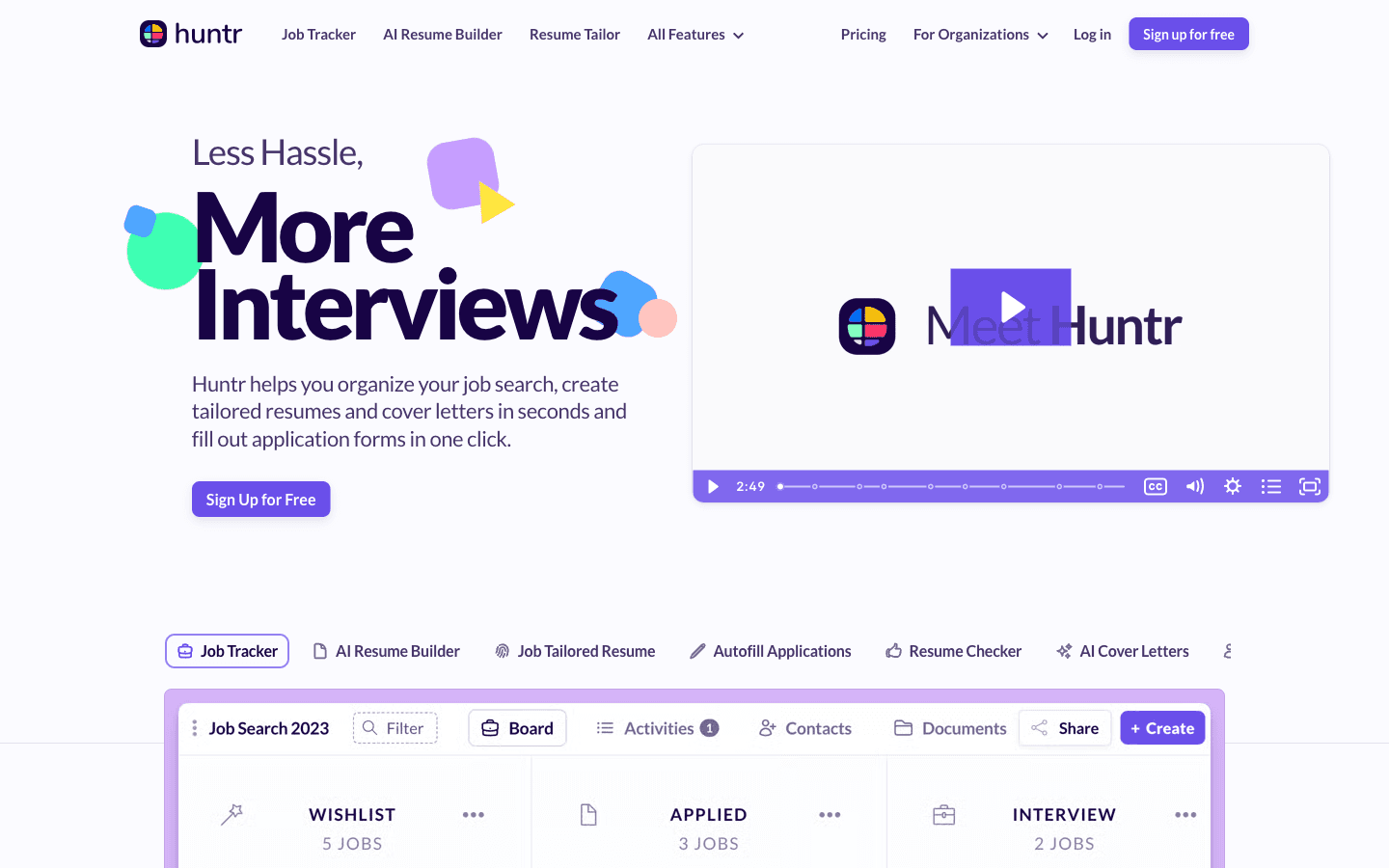
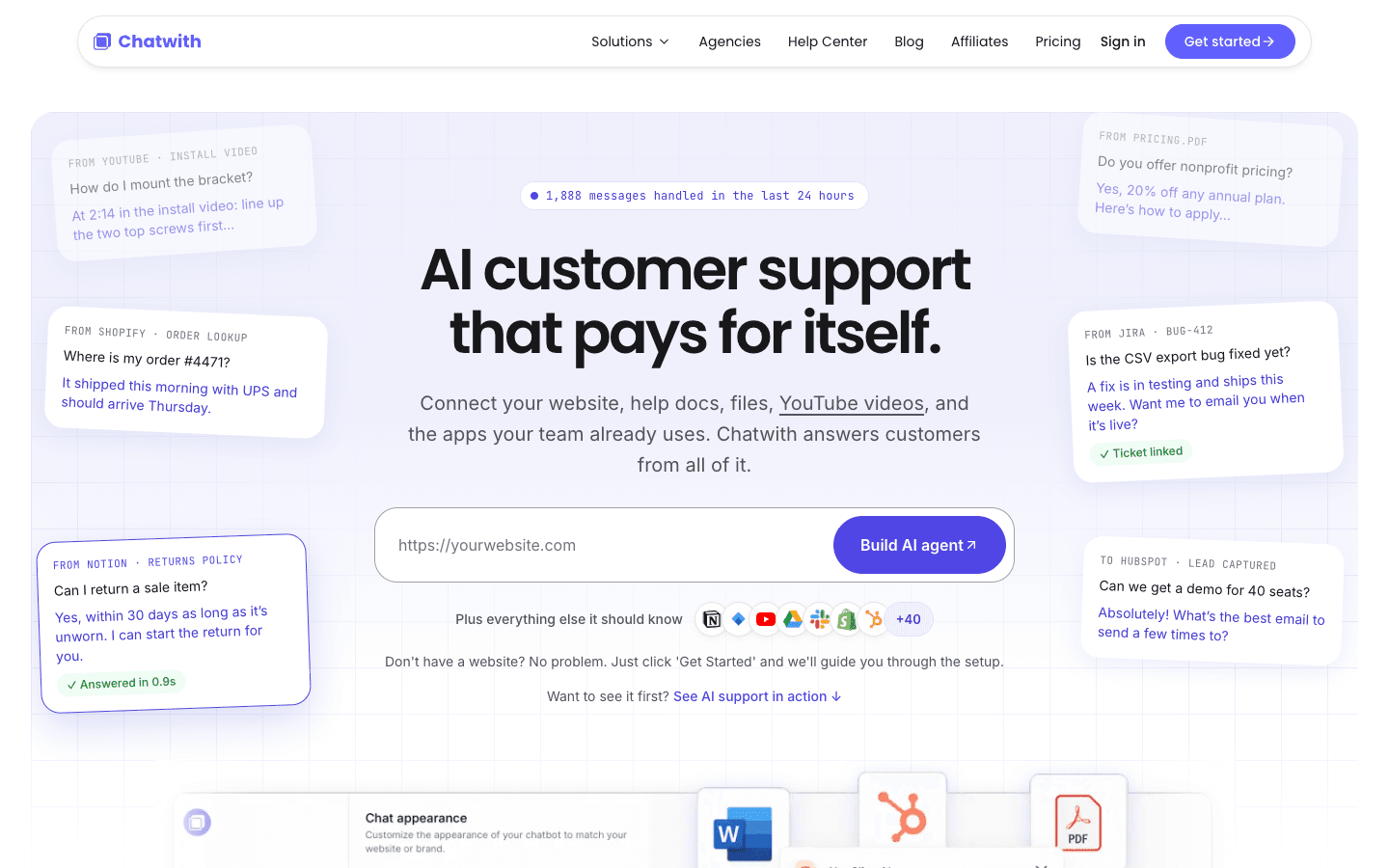
The sticker price is a floor. Our true-cost sections compute what a realistic month costs: Castmagic's hours are a library total that punishes growth retroactively; Zeemo's new video generation burns roughly a fifth of a year's credits per minute of output; WriteHuman slices a 2,000-word draft into four requests against an 80-request allowance. When the vendor's own numbers disagree with each other (Submagic: 123 languages on the homepage, 48+ on the feature badge; Huntr: 500K users on the site, 250K on the store listing), we publish both and mark the drift. And when there's no number, we write that too — RoboApply's overage rates and Chatwith's deactivation behavior get described as documented, not guessed.
4. Pull the review record, awkward parts included
Trustpilot distributions, G2 tags, app-store ratings, Product Hunt — captured at build time and dated. The rule: the review record is evidence about billing, cancellation, and support, not a scoreboard. GPTZero carries a 2.1/5 on Trustpilot driven by trial-billing complaints while holding 4.3/5 on G2 for the product itself — both facts, both in the comparison. A suppressed Trustpilot score after fake-review removal (Akool), a 5-review profile (Zeemo), a nonexistent one (RoboApply, Chatwith): each gets stated plainly, because the absence of a record is information too.
5. Write the Catch for both tools
This is the step most comparisons skip and the one readers thank us for. Every tool page in a comparison names what will burn money, trap a cancellation, or disappoint: the annual plan that can't be cancelled mid-term (Winston AI), the agent that goes silent when credits run out (Wonderchat), the guarantee that requires 500 applications and verification before it pays (RoboApply). One repetition rule: a documented incident appears in full once, gets referenced briefly if needed, and never becomes a drumbeat.
6. End with a decision table that picks winners
Every comparison closes with a table of personas — solo creator, team, agency, budget case — and one verified-cost winner per row. The verdict paragraph before it names the commonest scenario and picks a tool for it, explicitly. "It depends" appears zero times as a conclusion, because a conclusion that doesn't conclude is a sentence we shouldn't have written.
How commissions are handled
Written down once, applied everywhere: we record the commission stated on the vendor's signup page as authoritative, because that's the contract. Where our affiliate database disagreed with the signup page, we published the signup page's number and flagged the discrepancy — the Clipto review documents a vendor page saying 50% while the signup said 20%, in full, with screenshots referenced. Comparisons never rank tools by commission, and winners here range from the cluster's best-paying programs to tools with no working signup at all — the verdict follows the evidence, which is why the signup-page rule above matters. The standing rule from our affiliate disclosure holds: when the best-fit tool has no program, we still recommend it.
What this method doesn't cover
Honest limits, because a method page that claims everything is selling something:
- We don't benchmark output quality across vendors. Accuracy claims in our comparisons are labeled as vendor-published or reviewer-reported; we don't run our own model bake-offs yet.
- Hands-on testing exists where marked only. The Clipto review is hands-on (a real transcription test, 43/43 words). Most comparisons are documentation-built and say so at the top. The testing machinery behind both modes is described in How We Test AI Tools.
- Pricing decays. Verification dates are on every page; treat anything older than a quarter as stale and tell us when you catch drift.
Frequently Asked Questions
How do you decide which two tools to compare?
By buyer confusion, not category convenience: we pair tools people actually weigh against each other for the same job, verified against search patterns and reader requests. Tools that share a category but not a job get a "when to use both" treatment instead of a fake versus.
Why do your comparisons include a "Catch" for tools you recommend?
Because the recommendation without the downside is an ad. The Catch sections document billing traps, cancellation friction, meter mechanics, and marketing drift for both tools — the reader's decision needs the failure modes, and ours needs the credibility.
Are your comparisons hands-on tests?
Each page's method statement says exactly what was verified and what wasn't. Most comparisons are built from documented records — vendor pricing pages, terms, review platforms — with dates; tools we've deployed ourselves are marked hands-on with test numbers. We don't write "we tested" sentences about things we didn't test.
Do vendors see or approve comparisons before publication?
No. Vendors don't get previews, approvals, or edit rights. Where a vendor's own pages contradict each other, we publish the contradiction with both numbers and dates.
How often are comparisons updated?
Pricing is re-verified monthly and full comparisons are refreshed quarterly, with the verification date shown on every page. A vendor's major model or pricing change triggers an out-of-cycle review.
What if I catch an error in a comparison?
Send it through the contact page. Errors get corrected with the date noted; pricing drift gets re-verified the same week. We've published corrections before and will again — the alternative is pretending the first draft was perfect, which no honest method claims.
This site earns affiliate commissions from some links, disclosed on every page; commissions never determine verdicts. We also recommend tools with no affiliate program when they're the best fit. Last updated: October 27, 2026.